
Last updated November 21, 2026
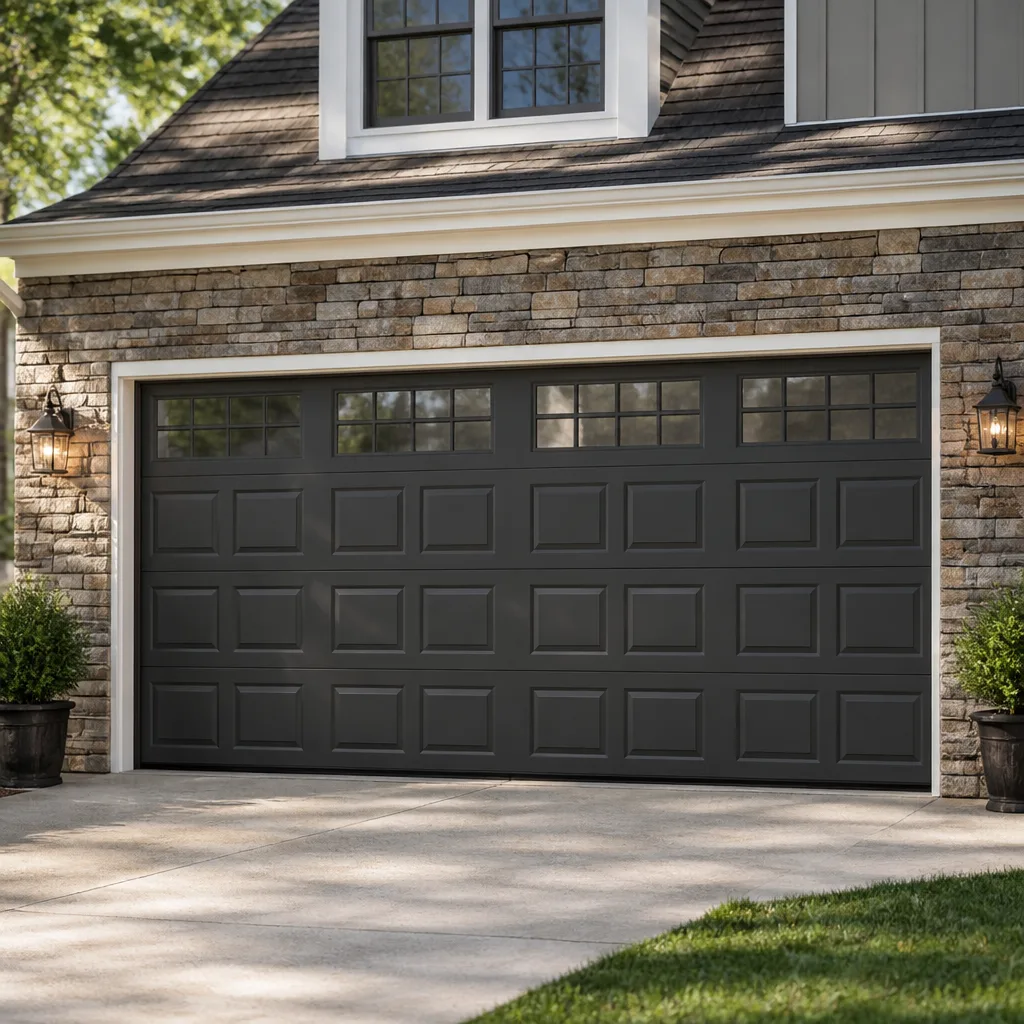 Raised-panel steel
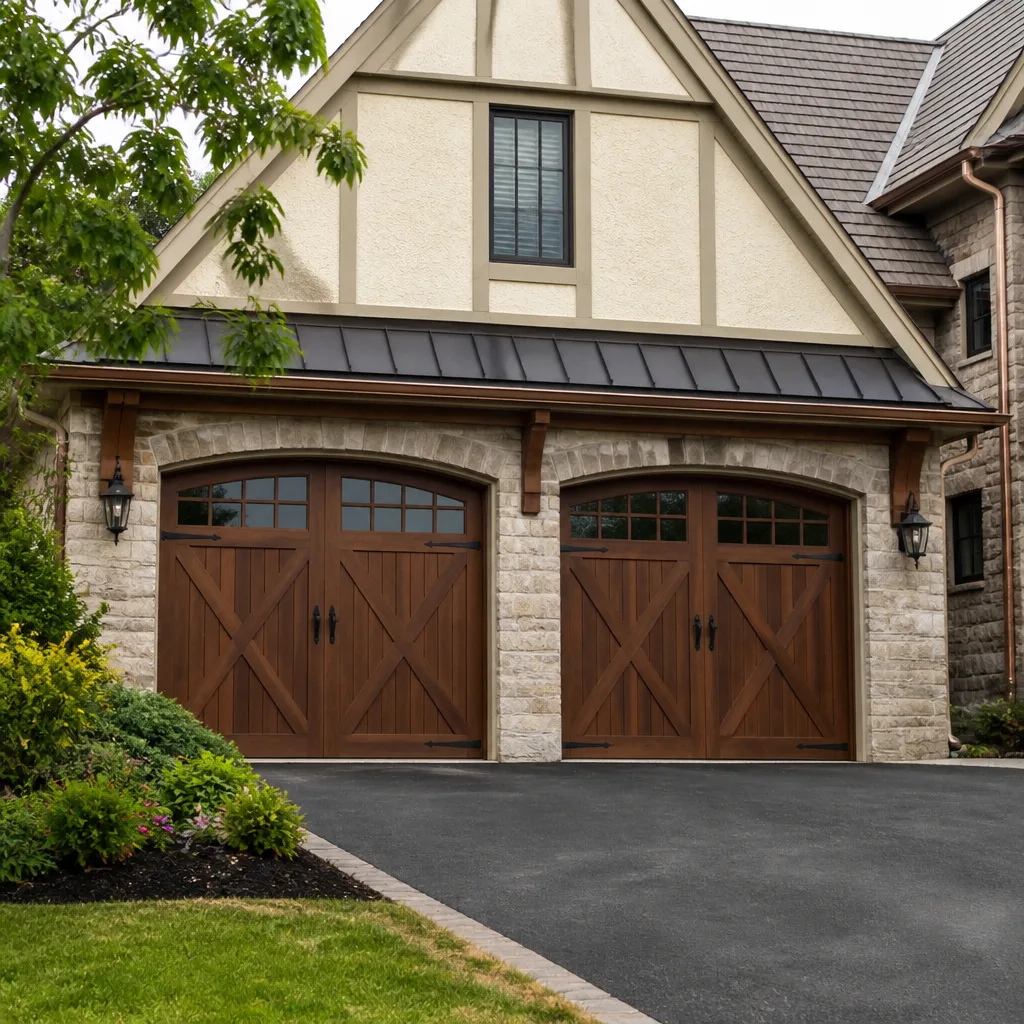 Carriage house
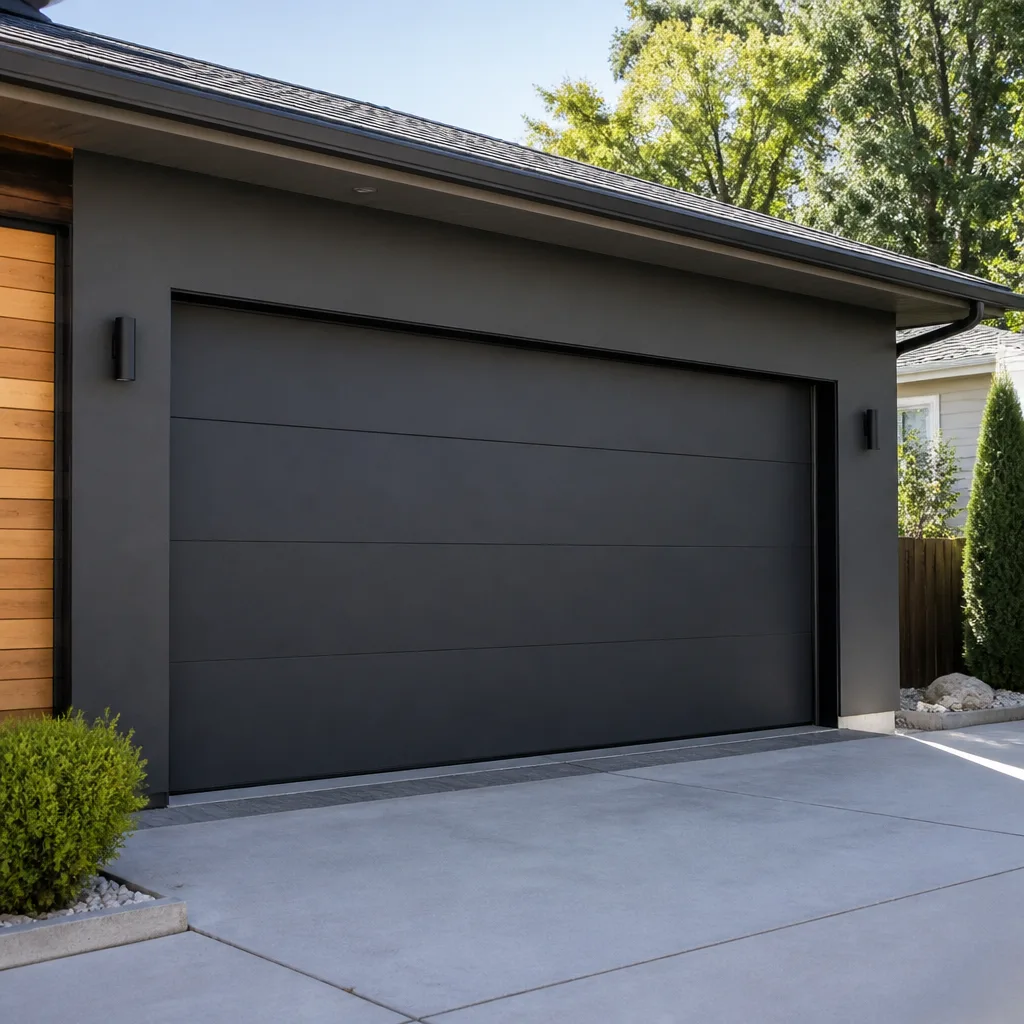 Modern flush
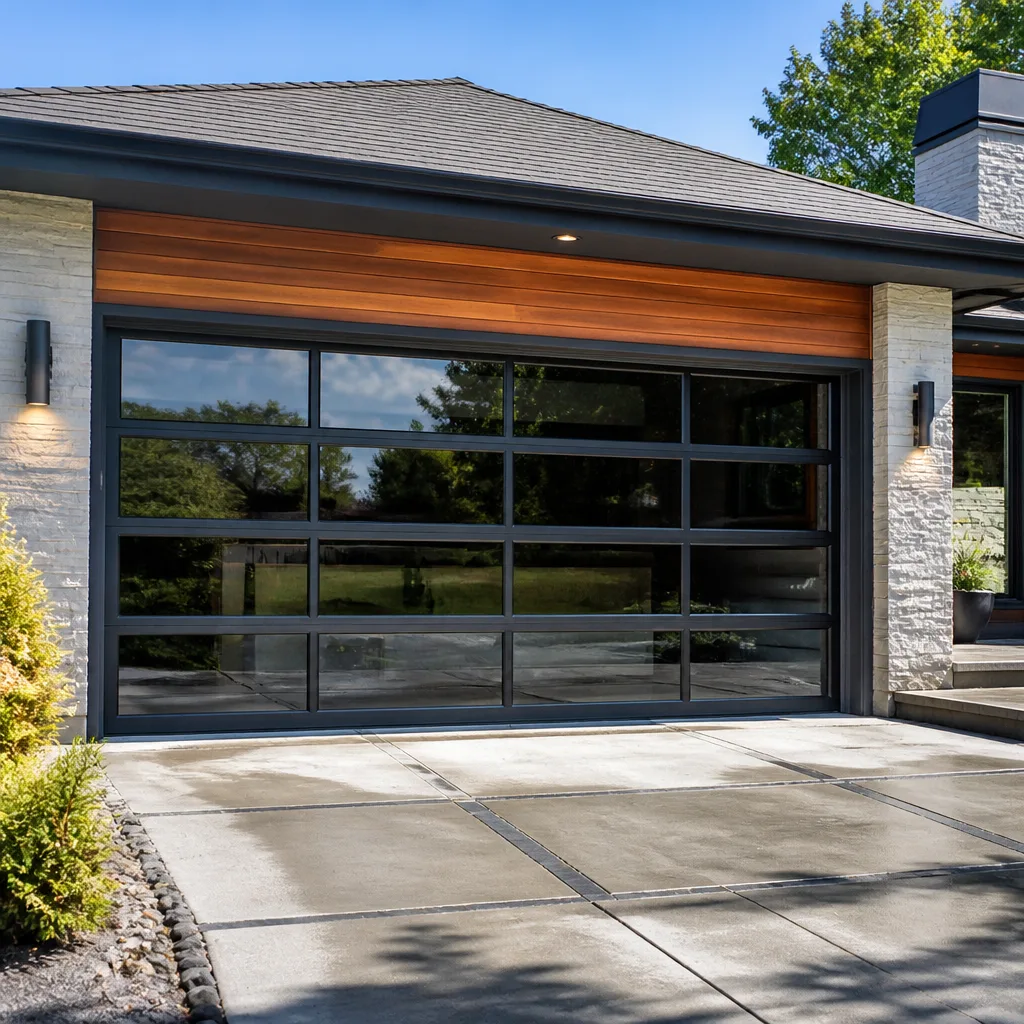 Full-view glass
 LiftMaster openers
 Chamberlain openers
Full 25-point door and opener safety check with every visit - springs, cables, rollers, tracks, and your LiftMaster or Chamberlain opener included
You get a price before we start. It does not change when the pro arrives.
Get your free estimateGarage Door Repair Maintenance Schedule: What to Do and When
Most homeowners treat garage door maintenance like a quarterly fire drill: grease something, tighten a bolt, forget about it until a spring snaps. That approach misses the point. Your door’s real maintenance clock is measured in cycles, not weeks on a calendar, and a two-driver household in Tallahassee runs its door far harder than a seasonal-use setup does. A door that opens twice a day racks up more than 700 cycles a year. Most manufacturer warranties are written around 10,000 cycles, so a door that skips maintenance can wear through its expected lifespan before anyone notices a problem. This guide gives you a schedule built around how your door actually works, plus what Tallahassee’s heat and humidity do to specific components across the year.
Quick Answer
Lubricate moving parts monthly, inspect rollers, hinges and weather seals each season, and have a technician check spring tension, cables and balance once a year. In Tallahassee, anchor two inspections to the calendar: a pre-hurricane-season check in May and a post-storm check in November. Homeowners with high daily cycle counts, and heavier doors like Clopay or Amarr steel models, should lean toward the more frequent end of every interval.
Styles & brands we work with
- Raised-panel steel
- Carriage house
- Modern flush
- Full-view glass
- LiftMaster openers
- Chamberlain openers
Table of Contents
- Why Your Door’s Schedule Is Measured in Cycles, Not Weeks
- The Tallahassee Maintenance Calendar: Month by Month
- Lubrication by Component: What to Use and What to Skip
- What You Can Do Yourself vs. What Needs a Technician
- Keeping a Performance Log So Repairs Stay Fast
- Opener and Smart-Home Maintenance
- Monthly Safety Checks Every Household Should Run
- The Full Seasonal Schedule at a Glance
Why Your Door’s Schedule Is Measured in Cycles, Not Weeks
A garage door cycle is one full open-and-close movement. That’s the number that wears springs, stretches cables, and grinds rollers down, not the date on the calendar. Two households can own identical Wayne Dalton doors in Tallahassee and need completely different maintenance rhythms based on nothing more than how often they leave the house.
Here’s how to estimate your own annual cycle count:
- Count the average number of times your door opens and closes on a typical weekday.
- Multiply that by five for weekday cycles.
- Add your typical weekend cycles.
- Multiply the daily average by 365 for your yearly figure.
A single driver who uses the garage as a secondary entry might run 4 to 6 cycles a day, or roughly 1,500 to 2,200 a year. A two-car household where the garage is the primary front door can easily hit 10 to 14 cycles a day, pushing past 3,500 annually. At that higher rate, springs reach their cycle rating in a fraction of the time.
That difference changes your schedule. High-cycle households should lubricate monthly without exception and treat the annual technician inspection as a hard deadline, not a suggestion. A seasonal-use door can stretch the same tasks out slightly. Steel doors with heavier insulation, like many Clopay and Amarr models, put more stress on springs and hinges at each cycle, so they belong in the high-attention group regardless of cycle count. If your door is the primary entry point for the whole family, plan your schedule around the busy assumption, not the quiet one.
The Tallahassee Maintenance Calendar: Month by Month
National maintenance guides assume four mild seasons and even humidity. Tallahassee doesn’t cooperate. Summers here are long, hot and damp, and that combination stresses wood, steel and the seals that keep weather and pests out. Winters are mild, which means the real wear happens in the warm half of the year. Two dates matter more than the rest: a pre-hurricane-season inspection in May and a post-storm check in November.
Here’s how a practical year breaks down:
- January and February: Inspect weather seals and bottom rubber after the cooler months. Check that the door still reverses on contact and that the safety sensors align.
- March and April: Lubricate springs, hinges, rollers and tracks. Look for rust or paint bubbling along the bottom panel, where ground moisture lingers.
- May: Pre-hurricane-season inspection. Confirm the door closes fully, latches firmly and that all hardware is tight. Wind-rated doors like many Amarr models should be checked for manufacturer-recommended reinforcement and proper anchoring.
- June through September: Monthly lubrication and a visual check after any heavy storm. Heat expands metal tracks, so watch for binding or grinding as the day warms.
- October: Post-summer hardware check. Tighten bolts, test the opener’s force settings and inspect cables for fraying.
- November: Post-storm check. Clear debris from tracks, inspect panels for impact or warping, and confirm the door’s balance by hand.
- December: Year-end technician inspection. This is the one to schedule in advance, before the spring repair rush.
The May and November anchors aren’t arbitrary. Storm season pressure changes and wind-driven rain test seals and hardware in ways that a routine monthly check can miss. If you only do two professional inspections a year, make them those two.
Lubrication by Component: What to Use and What to Skip
Lubrication is the single most misunderstood part of garage door maintenance, and it’s where well-meaning homeowners do the most damage. The right product depends on the component, and one common household substitute, WD-40, is the wrong choice for almost all of them.
WD-40 is a solvent-based water displacer, not a lubricant. Used on springs and hinges, it strips away the heavier grease already protecting the metal, attracts dust, and leaves a thin film that wears off in days. Over time you get dry, squeaky metal and faster corrosion. It’s fine for loosening a rusty bolt, but it doesn’t belong in your door’s lubrication routine.
Here’s what to use where:
- Springs: A lithium grease or a dedicated garage door spring lubricant. Springs carry the full weight of the door and need a persistent coating that won’t fling off.
- Hinges and rollers: A silicone-based spray or white lithium grease. Apply sparingly to the hinge pivot points and roller bearings, not to the roller wheels themselves if they’re nylon.
- Tracks: Nothing. Tracks should stay clean and dry. Lubricant collects dust and grit, which gums up rollers. Wipe tracks with a damp cloth instead.
- Weather seals: A silicone spray to keep rubber pliable, especially on the bottom seal that contacts the ground.
Apply lubricant every month in high-cycle households, every two months otherwise. A quick visual pass after each application catches drips and buildup before they become a problem. When we handle a routine visit, we also check that the lubricant hasn’t masked a deeper issue like a worn roller or a misaligned track. If you’ve got persistent squealing despite regular lubrication, that’s a signal a component is failing, not a lubrication problem.
What You Can Do Yourself vs. What Needs a Technician
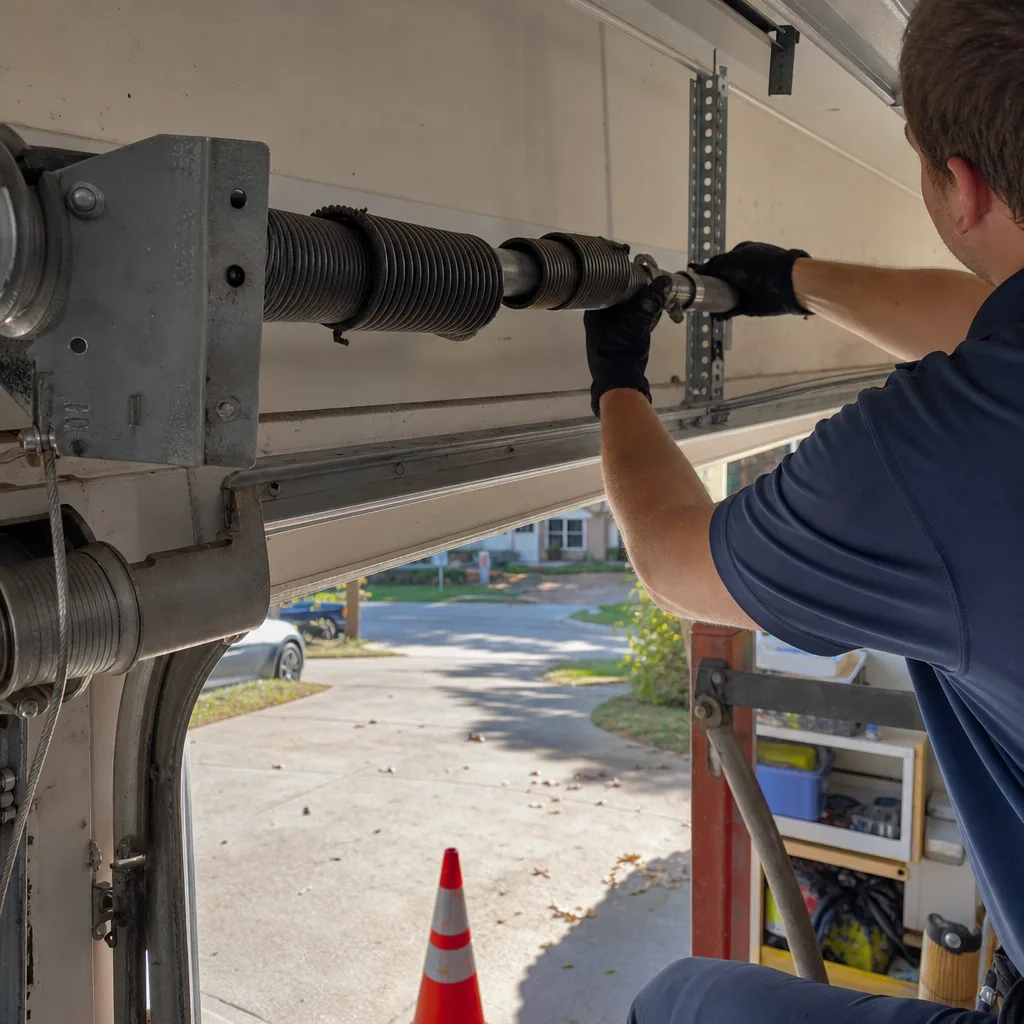
Some garage door maintenance is genuinely safe for a homeowner. Some of it is not. The line falls cleanly between low-tension, bolt-and-seal work and anything involving springs, cables or the door’s balance system. Springs are the most dangerous part of your garage door, and that’s why we handle them rather than walk anyone through the job.
Safe homeowner tasks:
- Wiping down tracks with a damp cloth
- Applying lubricant to hinges and roller bearings
- Testing the door’s safety reverse by placing a small block of wood in its path
- Checking and replacing weather seals and bottom rubber
- Tightening visible bolts on hinges and brackets
- Testing safety sensor alignment and clearing debris from the photo-eye lenses
Tasks that belong to a technician:
- Adjusting spring tension – high-tension springs and cables can cause serious injury if handled without proper tools and training
- Replacing or adjusting cables and cable drums
- Balancing the door so it holds at the halfway point
- Aligning a door that has racked or jumped its track
- Adjusting opener force and travel limits during a service call
Spring tension and cable drum alignment aren’t jobs you can safely eyeball. They need calibration tools and an understanding of how the door’s counterweight system distributes load. The same goes for anything that requires you to stand under a raised door or reach into a spring assembly. If a task involves the counterweight system in any form, stop and call a professional. Our technicians have up to 14 years of experience with spring repair and door balance, and we treat every spring job as safety-critical rather than routine.
Keeping a Performance Log So Repairs Stay Fast
A simple maintenance log turns a diagnostic hunt into a targeted repair. When you can hand a technician a page of notes saying “the door started hesitating at about two-thirds open three weeks ago, and it got louder after that,” they can often pinpoint the problem in twenty minutes instead of troubleshooting from scratch.
You don’t need anything fancy. A notebook stuck to the wall next to the door, or a note on your phone, works fine. Log these details after each maintenance check or whenever something feels different:
- The date of each check or lubrication.
- Any new noises, and when they happen (opening, closing, or both).
- Whether the door hesitates, jerks or slows at any point in its travel.
- Any change in opener response time or remote range.
- Visible changes: rust spots, fraying cables, bent tracks, worn seals.
- Weather events like a heavy storm, especially in the weeks around the May and November anchor checks.
Patterns matter more than single events. A door that grinds only in the afternoon points to heat expansion in the tracks. A door that struggles only in the first few inches of travel often points to a spring losing tension. Tallahassee’s humidity causes wood and rubber to expand and contract across the seasons, and a log captures that drift. We’ve found that a customer who keeps even rough notes gets much faster, more accurate service than one who calls after months of escalating symptoms with no record of when they started.
Opener and Smart-Home Maintenance
Your opener is the part of the system most likely to be forgotten, because it doesn’t fail loudly. It just starts straining, then one day refuses to lift the door. Opener maintenance is mostly about preventing that gradual decline and keeping the safety features working the way they were designed.
Here’s what to check on a schedule:
- Monthly: Test the safety reverse. Place a small block of wood flat on the ground under the door and close it. The door should reverse on contact. If it doesn’t, stop using the door and call for service.
- Monthly: Check the photo-eye sensors. They should be aligned with a steady indicator light, and the lenses should be clean.
- Seasonally: Test the manual release. With the door closed, pull the release handle and confirm the door moves freely by hand. Re-engage the opener afterward.
- Annually: Have the opener’s force and travel limits checked and adjusted. These settings drift over time and cause the door to strain or reverse erratically.
If you run a smart opener, like a LiftMaster MyQ, a Genie Aladdin Connect or a Wi-Fi-enabled Chamberlain or Craftsman unit, add one more annual task: update the app and firmware, then re-test remote and app control. Smart openers are reliable, but connectivity issues often mask mechanical ones. If the app can’t open the door, the problem is usually the Wi-Fi or the hub, not the door itself. Knowing which is which saves a wasted service call.
It also pays to test your battery backup if your opener has one; many do, and it’s easy to forget until a summer storm knocks out power. A quick monthly battery check keeps that safety net working when you need it.
Monthly Safety Checks Every Household Should Run
Safety checks take five minutes and catch the problems that cause the most injuries and the most expensive repairs. Run them as part of your monthly lubrication routine, when you’re already out at the door.
The full rundown:
- Test the safety reverse with a small block of wood. The door must reverse on contact.
- Confirm the safety sensors are aligned and unobstructed. A blinking indicator light means they’re out of alignment.
- Check that the door opens and closes fully without stopping short.
- Look at the springs and cables. Frayed cables, a visible gap in a spring, or a spring that looks noticeably different from its partner are all stop-and-call signs.
- Listen for new sounds: grinding, scraping, popping or squealing.
- Try to balance the door manually. Disconnect the opener with the release handle, lift the door halfway, and let go. A balanced door stays put. A door that slams down or creeps up needs professional adjustment.
- Inspect the bottom seal and weather seals for cracks or gaps.
If a safety check fails, stop using the door until a technician takes a look. A door that won’t reverse on contact, or one that falls when released, is a real risk to anyone standing underneath. Don’t prop it open, don’t disable the sensors, and don’t reach into the spring assembly to see what’s wrong. Call for professional service instead.
The Full Seasonal Schedule at a Glance
If you want a single reference to post near the door, use this. It compresses the cycle logic, the Tallahassee climate calendar and the safety checks into one view, so you don’t have to rethink your routine every season.
- Monthly: Lubricate hinges and roller bearings. Test the safety reverse and photo-eye sensors. Check the battery backup on your opener if it has one. Log any new noises or changes.
- Every two months (or monthly for high-cycle doors): Lubricate springs with a lithium or spring-specific grease. Wipe down tracks. Inspect the bottom seal.
- Spring (March-April): Inspect weather seals and bottom rubber. Look for rust or paint bubbling. Tighten visible bolts.
- May: Pre-hurricane-season inspection. Confirm the door closes and latches firmly, hardware is tight and wind-rated reinforcement is in place.
- Summer (June-September): Keep up monthly lubrication. Watch for heat-related binding in the tracks. Check after any heavy storm.
- October: Tighten hardware, inspect cables for fraying, test opener force settings.
- November: Post-storm check. Clear tracks, inspect panels, confirm the door’s balance by hand.
- Annually (December or January): Full technician inspection of springs, cables, balance and opener settings.
Print it, pin it up, and adjust the frequency upward if your door cycles more than about ten times a day. A door that’s a primary entry point for a busy household, especially a heavier steel model, deserves a tighter schedule than the list above. Your garage door is your home’s largest moving part, and it earns a little more attention than most household fixtures get.
Common Mistakes to Avoid
- Lubricating the tracks. It’s the most common mistake we see. Lubricant attracts dust and grit, which gums up the rollers. Tracks should stay clean and dry; wipe them with a damp cloth instead.
- Using WD-40 on springs and hinges. It’s a solvent, not a lubricant. On a door in Tallahassee’s humid summers, it strips protective grease and speeds corrosion. Use lithium or a dedicated spring grease.
- Ignoring the annual technician inspection. A door can sound fine for months while spring tension quietly declines. The yearly check catches that drift before it becomes a breakdown.
- Skipping the May and November anchors. These two Tallahassee dates matter most because storm season stress isn’t visible during a quiet monthly check. Make them fixed appointments.
- Assuming a quiet door means a healthy door. Springs fail without warning even on doors that have been silent for years. Sound isn’t a safety check.
- Forgetting the opener. The door gets all the attention while the opener, the part that actually lifts it, gets ignored until it fails. Test the safety reverse monthly.
- Pushing through a safety-check failure. If the door won’t reverse on contact or falls when released, stop using it. That’s the one time a service call shouldn’t wait.
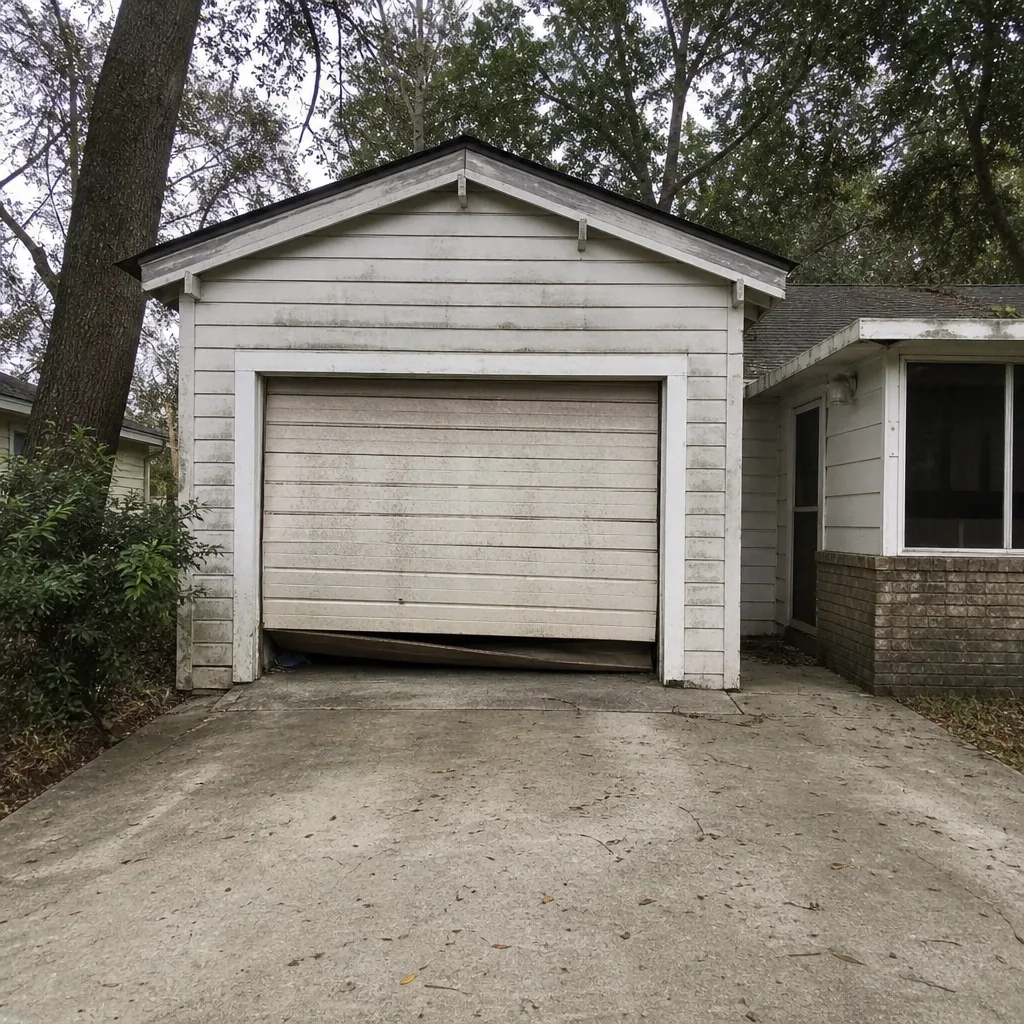
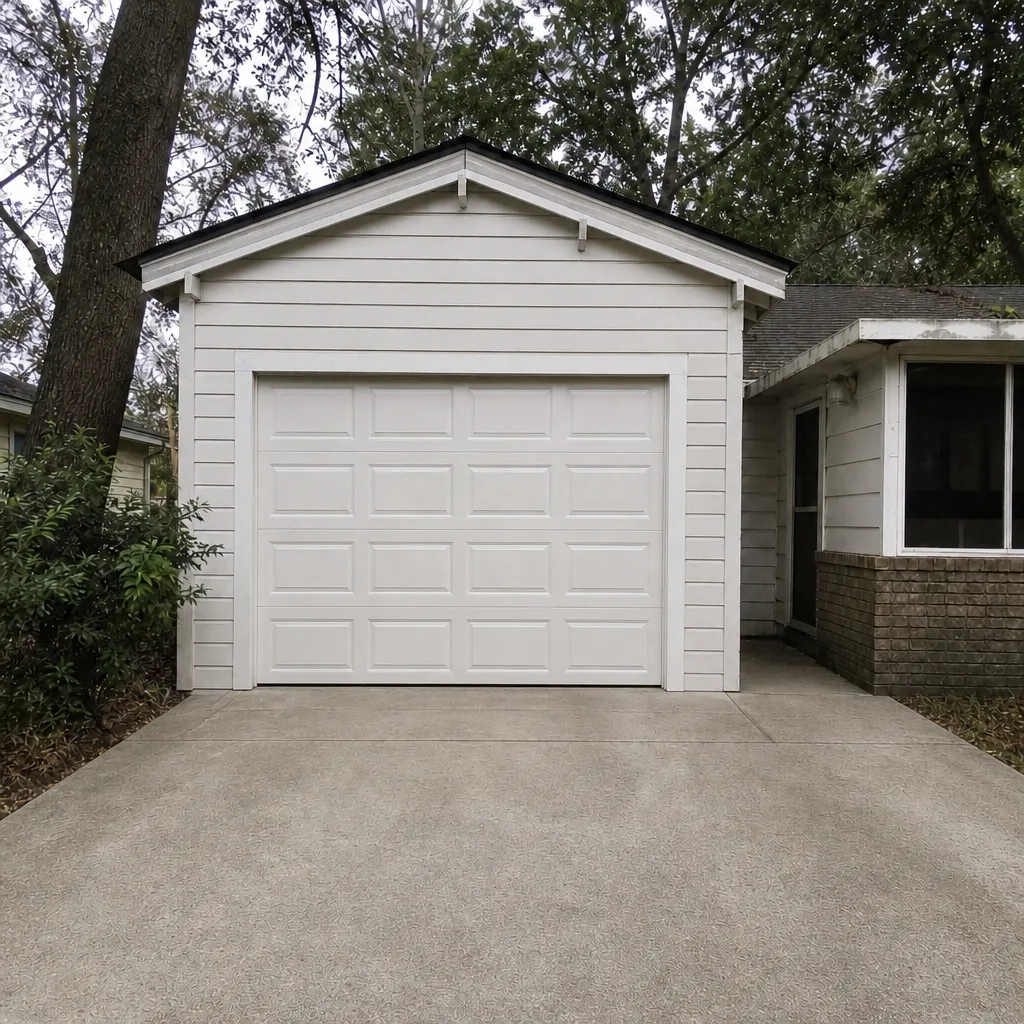
See the difference
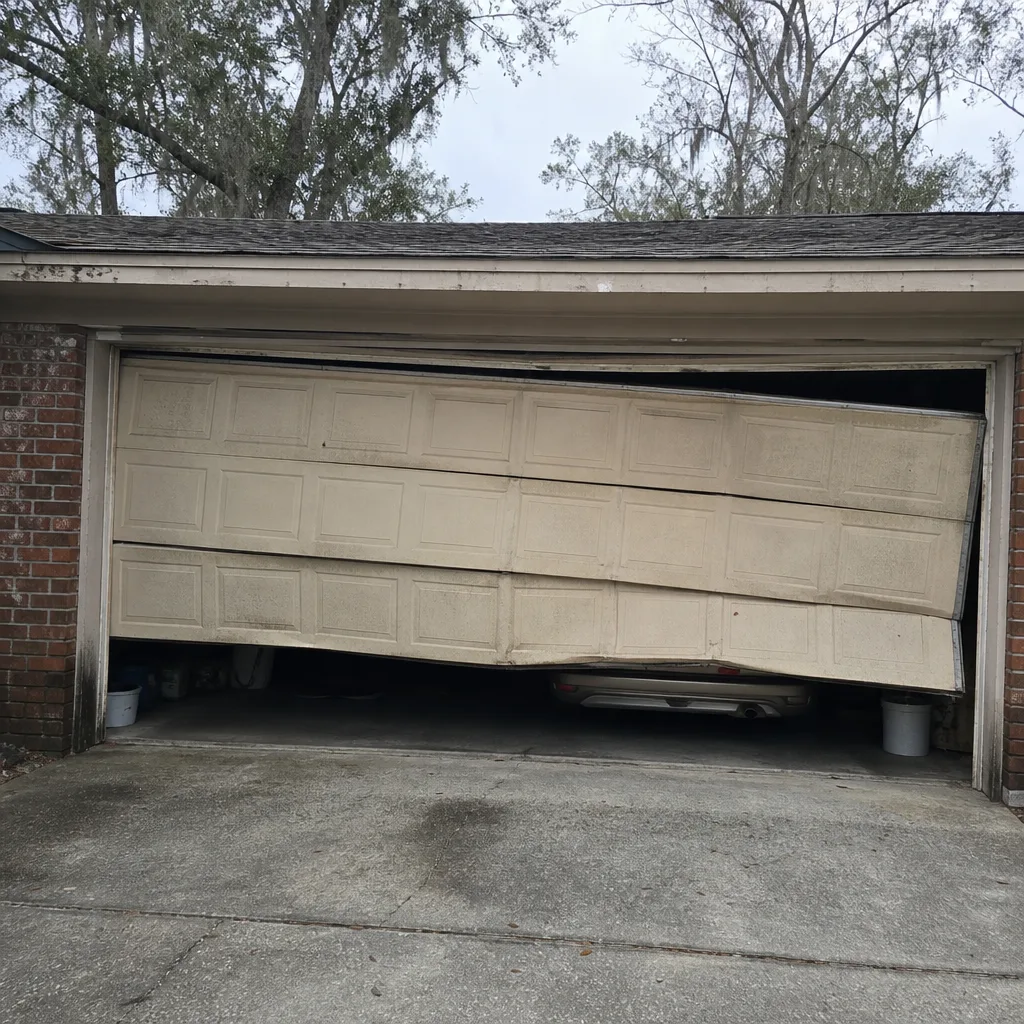 Before
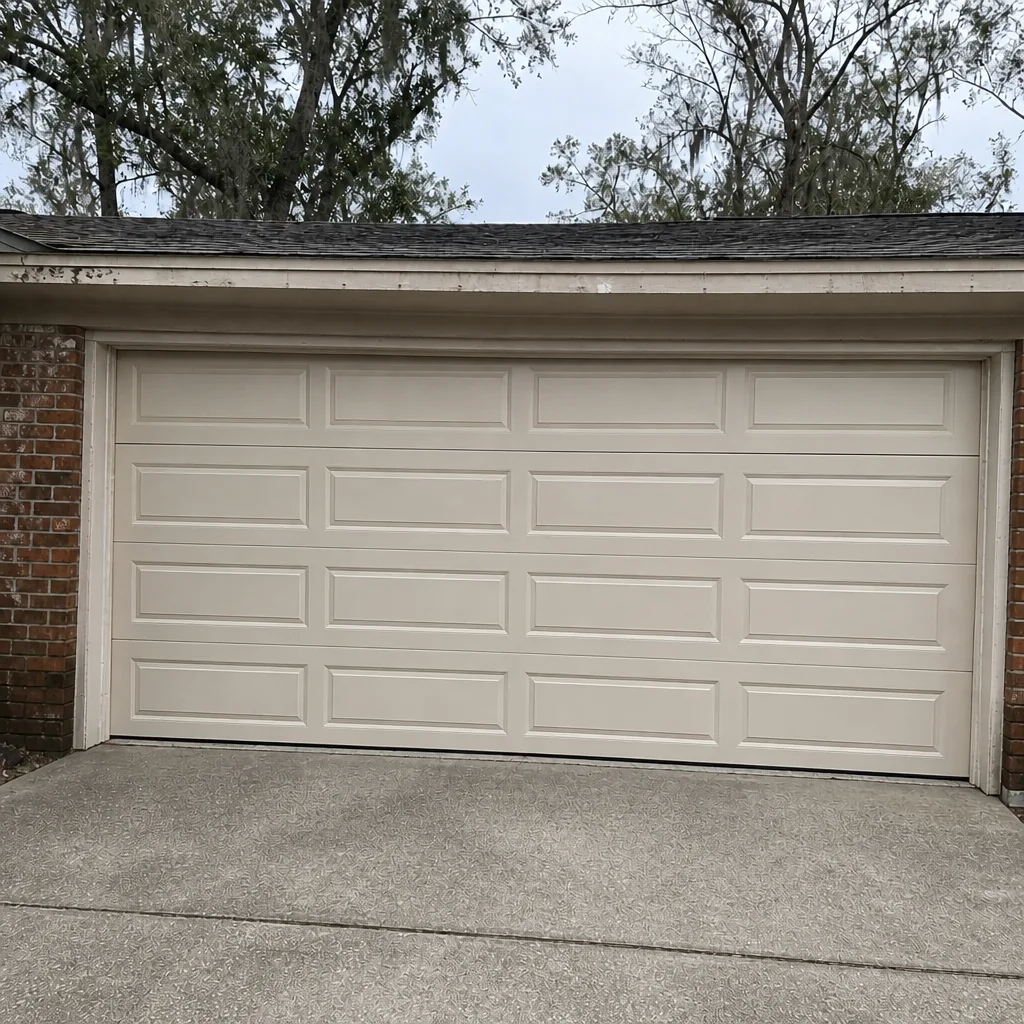 After
 Before
 After
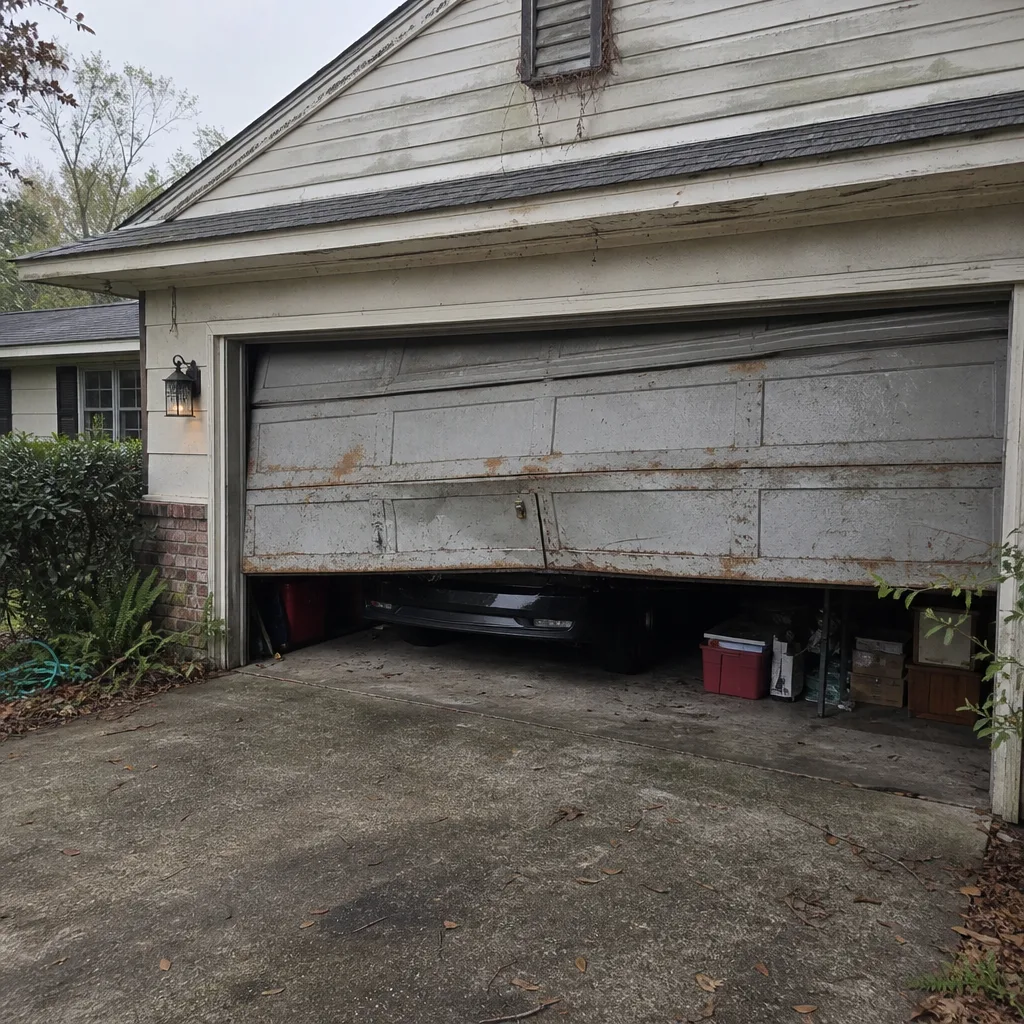 Before
 After
When to Call a Professional
Call a professional whenever the problem moves beyond lubrication and cleaning. Specifically: a door that won’t reverse on contact, a door that slams down or creeps up when released, frayed or visibly damaged cables, a visible gap in a spring, a door that’s jumped its track, or an opener that strains or refuses to lift a balanced door. Any of these involve the counterweight system or the door’s safety features, and they belong with a trained technician, not a homeowner with a wrench.
For the routine work, schedule your annual inspection in advance rather than waiting for a failure. Garage Door Repair Tallahassee Pros offers free estimates in Tallahassee, and we work on the brands you already have, including Clopay, Amarr, Wayne Dalton, Genie and others across the major systems. Call (855) 789-6528 for a free estimate. We answer 24/7, with fast dispatch from 7am to 7pm, Sunday through Friday.
Frequently Asked Questions
Lubricate hinges and roller bearings monthly, and springs every one to two months depending on your cycle count. High-cycle households, especially in hot climates like Tallahassee’s, should stay on the monthly end for both. Always use lithium grease or a spring-specific lubricant on springs and hinges, and never lubricate the tracks.
No, garage door spring replacement is not a safe DIY job. Springs are under high tension and can cause serious injury if handled without proper tools and training. Call a professional. If a spring looks broken or you suspect one has failed, keep the door closed and call for service rather than trying to lift it.
Do a visual check of the door from the ground without lifting it: look for bent panels, misaligned tracks, debris in the tracks and loose hardware. Then test the safety reverse and the door’s full travel. If anything looks wrong, don’t force the door. Call a technician. The November post-storm check exists precisely because storm damage isn’t always obvious from a distance.
A straining opener usually means the door is out of balance, a spring has lost tension or a roller or track is binding. The opener itself is often fine; it’s just working harder than it should. Have a technician check the door’s balance and spring tension before replacing the opener, since the door is usually the real problem.
Once a year is the standard for most households. If your door cycles more than about ten times a day, or you live in an area with strong seasonal storms like Tallahassee, plan on the annual inspection plus a pre-hurricane-season check in May and a post-storm check in November. High-cycle doors benefit from an additional mid-year look.
Smart openers like Genie Aladdin Connect or Wi-Fi-enabled LiftMaster, Chamberlain and Craftsman units need the same mechanical checks as any opener, plus an annual app and firmware update and a re-test of remote and app control. If the app can’t open the door but the wall control works, the issue is usually connectivity, not the door itself.
Not sure whether your door needs routine maintenance or a repair? Call (855) 789-6528 for a free estimate. We answer 24/7, with fast dispatch from 7am to 7pm, Sunday through Friday.
The Bottom Line
A maintenance schedule built around cycles, not the calendar, keeps your door working longer and catches problems while they’re still cheap to fix. Lubricate monthly, inspect seasonally, and get a technician to check springs, cables and balance once a year. In Tallahassee, anchor your year to the May pre-hurricane check and the November post-storm check, and keep a simple log so any problem is easier to diagnose. When something involves the springs, cables or balance, call a professional rather than reaching for a can of WD-40. It’s the one part of the schedule where the stakes are highest.
If your annual inspection is due, or a safety check just failed, call Garage Door Repair Tallahassee Pros today for a free estimate. We service the brands you already have, including Clopay, Amarr, Wayne Dalton and Genie, and we handle everything from routine maintenance to emergency repairs.
Call (855) 789-6528. We answer 24/7. Fast dispatch from 7am to 7pm, Sunday through Friday.
Written by the team at Garage Door Repair Tallahassee Pros.
Related pages: Garage Door Repair Tallahassee Pros, garage door repair, garage door opener repair, garage door installation.