
Last updated November 21, 2026
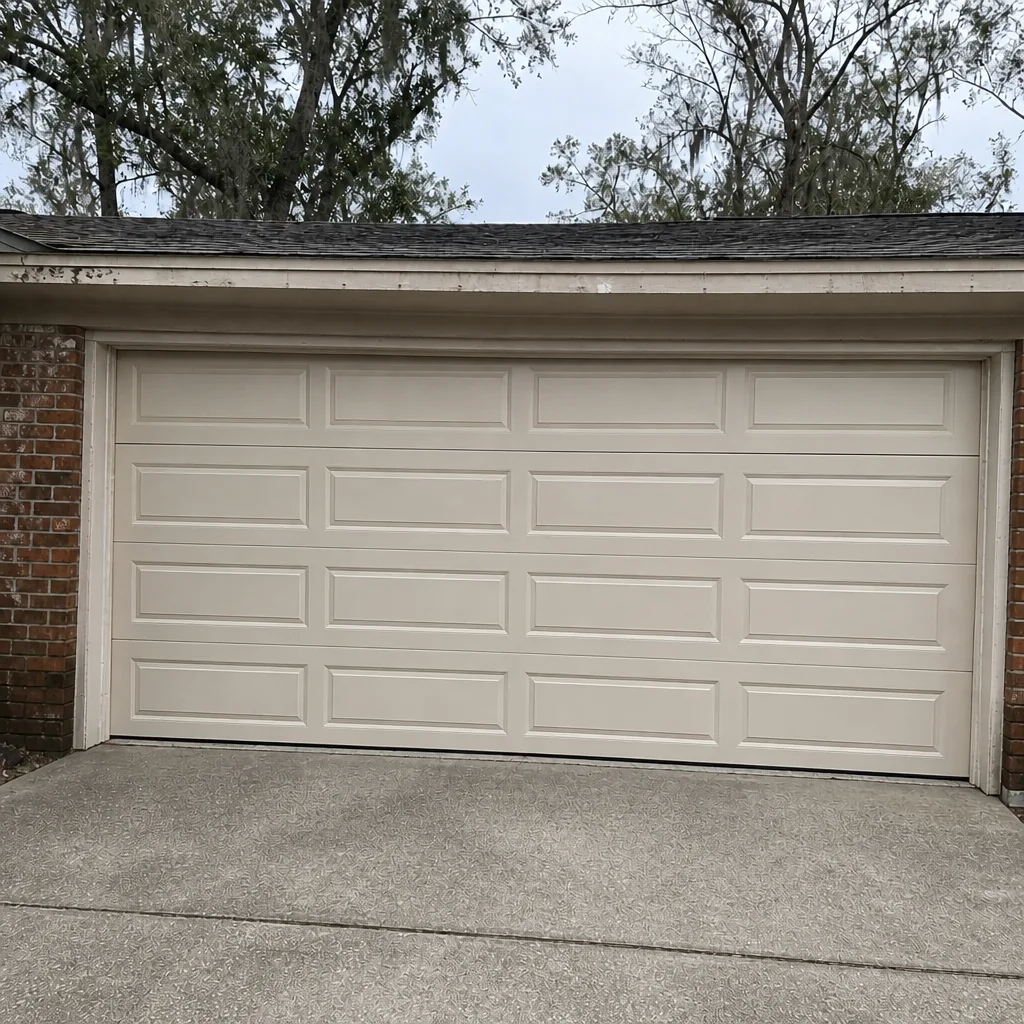
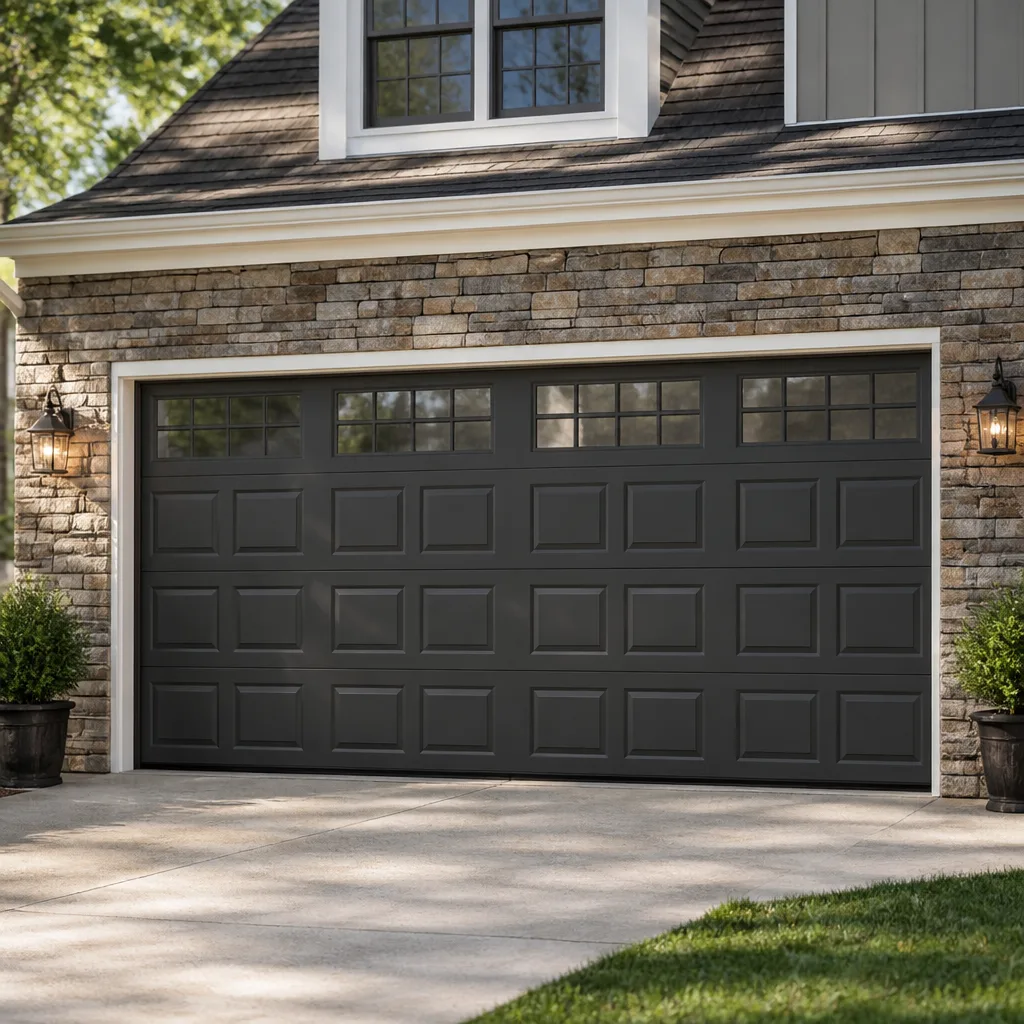 Raised-panel steel
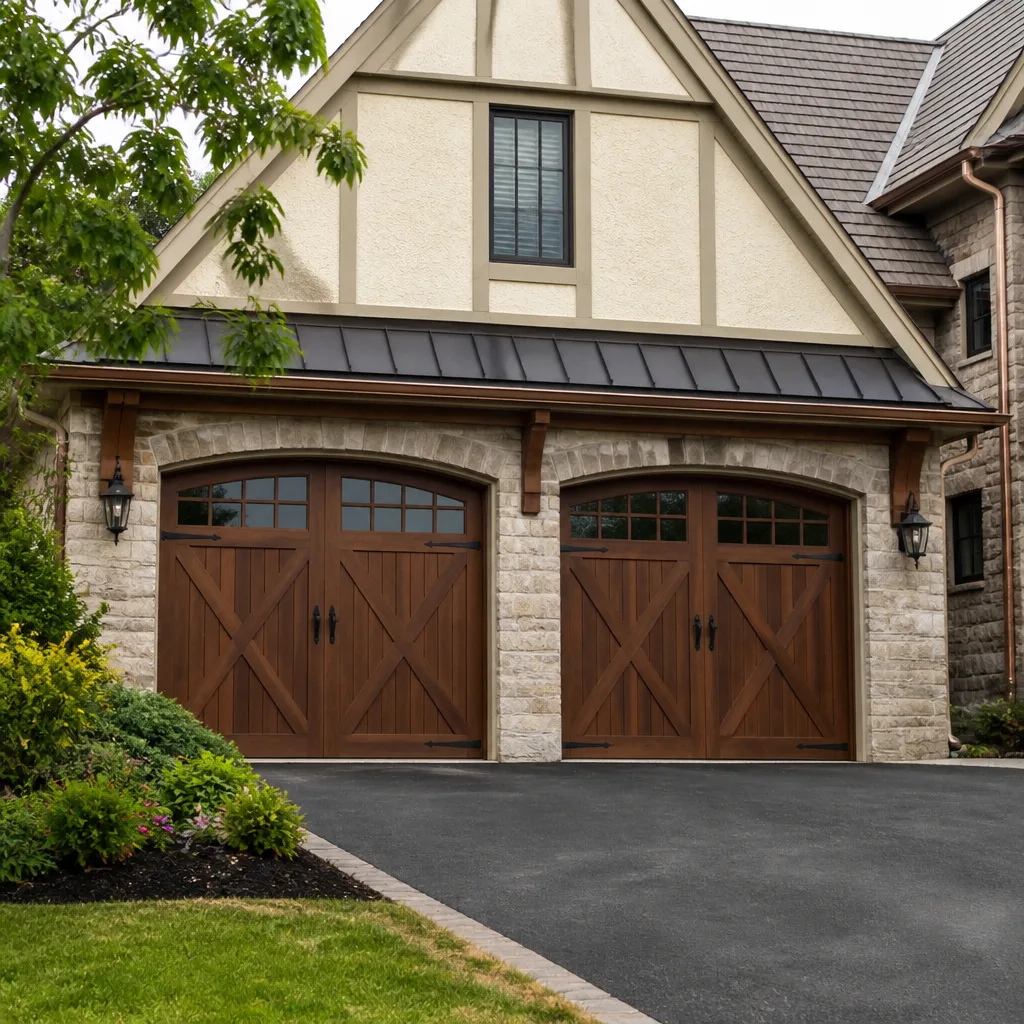 Carriage house
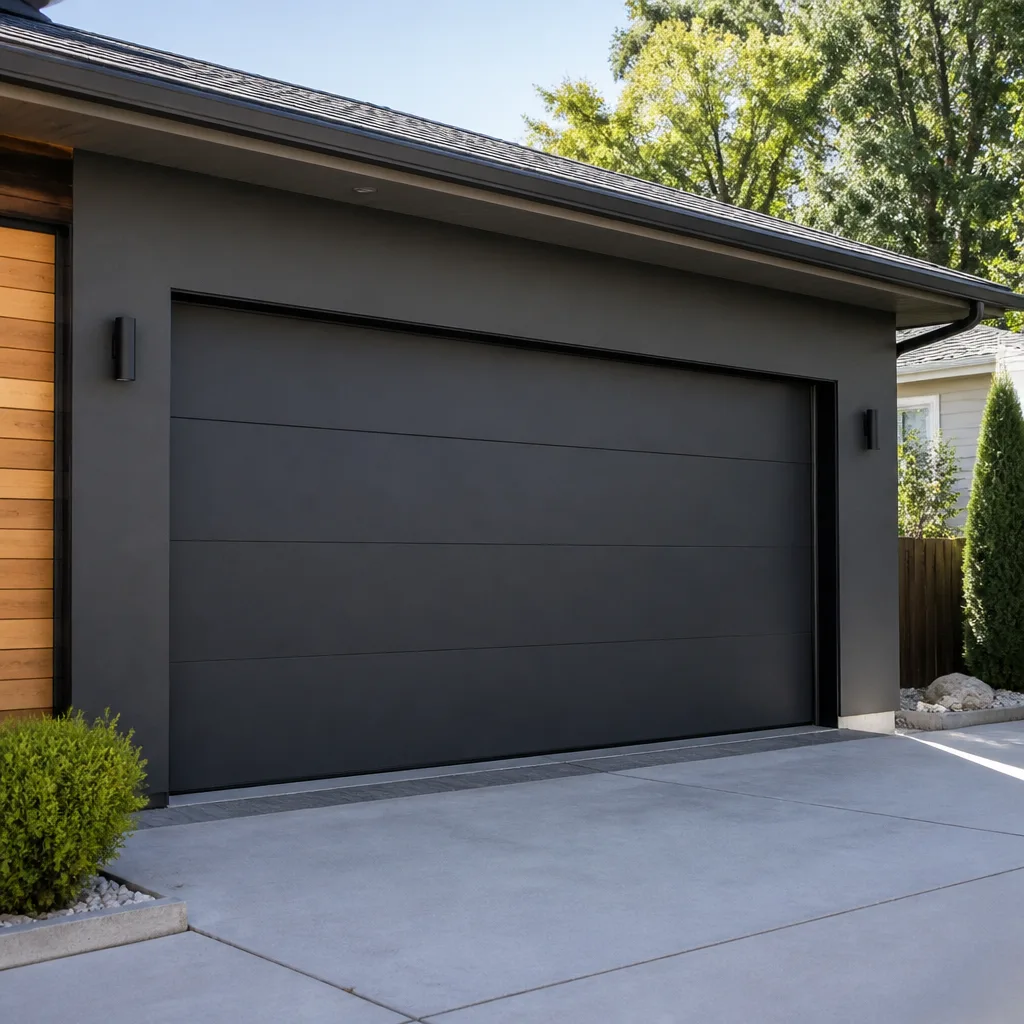 Modern flush
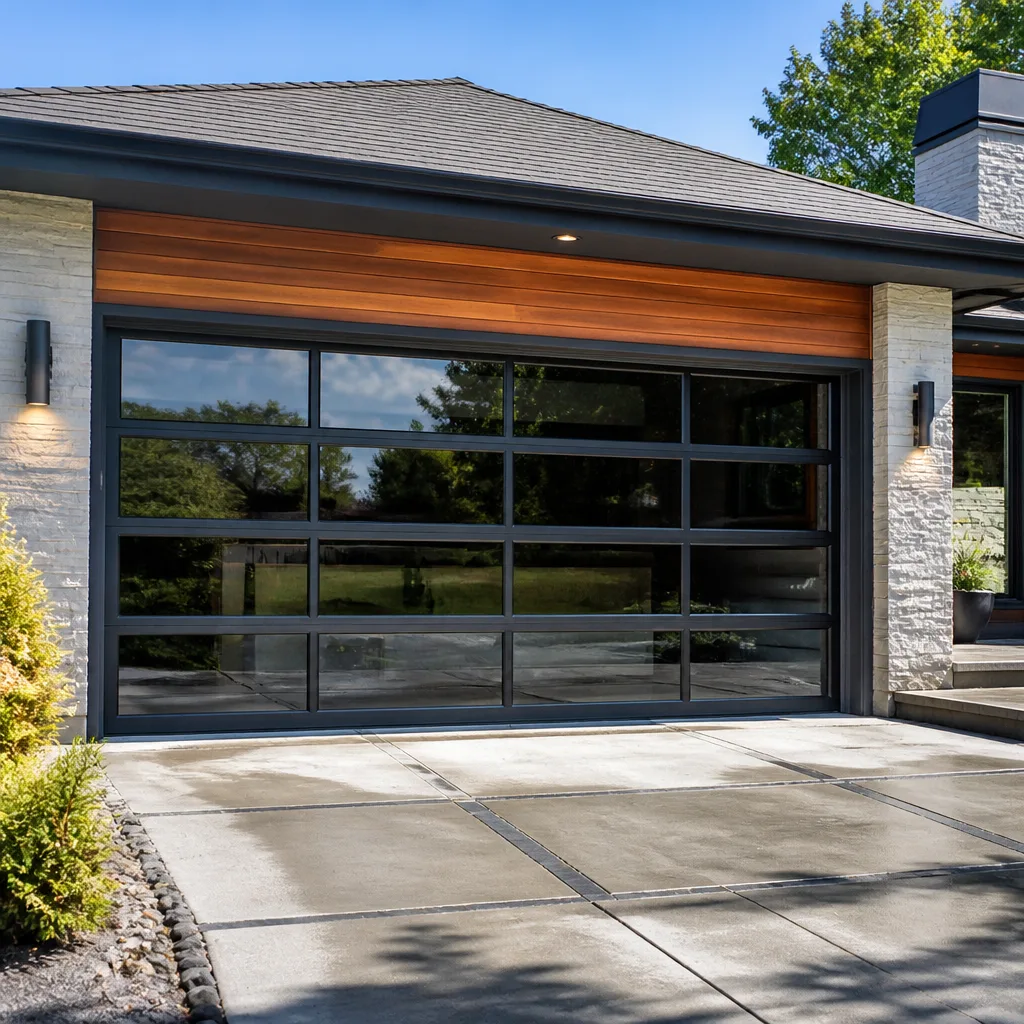 Full-view glass
 LiftMaster openers
 Chamberlain openers
Full 25-point door and opener safety check with every visit - springs, cables, rollers, tracks, and your LiftMaster or Chamberlain opener included
You get a price before we start. It does not change when the pro arrives.
Get your free estimateSeasonal Garage Door Care for Tallahassee: Year-Round Homeowner’s Guide
Most seasonal garage door guides were written for a climate that gets four clean seasons, a dry summer, and a real winter. Tallahassee doesn’t work that way. Here the year splits along different lines: the run-up to hurricane season, the long humid summer, a short dry-cool winter with a handful of sharp cold snaps, and a spring that coats everything in yellow pollen and feeds mold in the shade. Each of those stretches puts stress on a different part of your door system, and a maintenance schedule built for Ohio leaves your bottom seal, rollers, and cables exposed when it matters most. In this guide we map care tasks to Tallahassee’s actual seasons, so you know what to check and when, and what to leave to a technician.
Quick Answer
Seasonal garage door care in Tallahassee means preparing hardware and the emergency release before hurricane season, controlling moisture and rust through the humid summer, cleaning pollen and mold from tracks and photo-eyes each spring, and checking the opener and lubrication during the brief winter cold snaps. A simple year-over-year log of how the door sounds and moves lets you catch wear before a part fails.
Styles & brands we work with
- Raised-panel steel
- Carriage house
- Modern flush
- Full-view glass
- LiftMaster openers
- Chamberlain openers
Table of Contents
- Why Tallahassee Seasons Don’t Match the Standard Guide
- Spring: Pollen, Mold, and the Photo-Eye
- Pre-June Hurricane Prep: What to Inspect and Reinforce
- Summer Humidity Protocol: Rust, Springs, and Cables
- Winter Cold Snaps: Why Openers Fail
- How to Track Hardware Wear Year Over Year
- The Tallahassee Garage Door Care Calendar
- Common Mistakes to Avoid
- When to Call a Professional
Why Tallahassee Seasons Don’t Match the Standard Guide
Tallahassee gets roughly 60 inches of rain a year, close to double the national average, and a lot of that arrives in the warm months when your garage is already holding humidity. A generic seasonal guide assumes a dry summer and a hard winter. Here the wet season is long, the cold is brief and unpredictable, and the pollen load in spring is heavy enough to clog small moving parts. That mismatch is the whole reason this guide exists.
Think about what actually sits in your garage. The door itself, the torsion or extension springs above it, the cables that run alongside, the rollers in the tracks, the bottom seal that meets the floor, and the opener with its rail, trolley, and safety sensors. Each of those components reacts to moisture, heat, grit, and cold differently. A spring that’s fine in a dry October can start showing surface rust by August if the garage stays damp. A photo-eye lens that worked all winter can get clouded by pollen and mold in April and start reversing the door for no obvious reason.
We’ve seen plenty of Tallahassee homes where the door was maintained on a generic twice-a-year schedule and still failed at the worst moment, because the schedule didn’t line up with when the local stress actually hits. The better approach is to time your checks to the real seasons here:
- Spring (roughly March to May): pollen and mold season. Focus on tracks, photo-eye lenses, and weatherstripping.
- Pre-hurricane (May into early June): structural and hardware inspection before storm season.
- Summer (June through September): peak humidity and heat. Focus on rust, lubrication, and spring/cable condition.
- Winter (December through February): short dry-cool stretch with occasional cold snaps. Focus on the opener and cold-weather operation.
What you’ll learn below is how to handle each of these windows, what to check yourself, and where the line sits between a homeowner task and a job for someone who works on doors every day. If at any point you’d rather have a professional take a look, our Garage Door Repair Tallahassee Pros team handles the full range of door and opener work.
Spring: Pollen, Mold, and the Photo-Eye
Spring in Tallahassee means a thick coat of yellow-green pollen on every horizontal surface, and a garage is no exception. Add the mold that grows in shaded, humid corners and you get a season that quietly degrades the small parts your door depends on. The three areas that suffer most are the tracks, the photo-eye lenses, and the weatherstripping along the sides and bottom.
What to clean and how
- Wipe the tracks. Use a damp cloth or a soft brush to clear pollen, grit, and any mold film from the inside of the vertical and horizontal tracks. Don’t spray lubricant into a dirty track; clean first, then lubricate sparingly.
- Clean the photo-eye lenses. The two small lenses near the floor on either side of the opening get clouded fast. Wipe them with a soft, slightly damp cloth. If the door reverses for no reason, a dirty lens is one of the first things to check.
- Inspect and clean the weatherstripping. Wipe down the side and top seals and look for mold, cracking, or a gap at the bottom. A seal that no longer meets the floor lets in water, pollen, and pests.
- Vacuum or blow out the opener housing vents if pollen has built up, following the manufacturer’s guidance for your model.
If your door uses a LiftMaster or Chamberlain opener with app connectivity, spring is a good time to check that the sensors are reporting correctly through the app, since a moldy or pollen-fouled lens will show up as repeated reversal events. Craftsman and Genie systems have their own sensor setups, and the same lens-cleaning logic applies to all of them.
One local note: mold likes the shaded side of a garage, especially where the door stays closed much of the day. If you notice dark film on the seals or in the track corners, clean it rather than ignore it, because that film traps grit that wears the rollers faster. For a deeper look at the mechanical side, see our guide to garage door repair.
Pre-June Hurricane Prep: What to Inspect and Reinforce
Before hurricane season ramps up, your garage door deserves a real inspection, because it’s the largest opening in the house and a weak door is a weak point in high wind. This isn’t about installing a storm-rated door if you don’t have one. It’s about making sure the door you have is sound, balanced, and able to stay put.
What to check before storm season
- Bracing and reinforcement hardware. Look at the horizontal tracks, the hinges, and any reinforcement struts. Loose bolts and worn hinges are worth tightening or replacing before a storm rather than after.
- The emergency release cable. Every door with an opener has a manual release, usually a red handle hanging from the trolley. Check that the cable is intact, the handle is reachable, and the release actually works. If the power goes out during a storm, this is how you get the door open.
- Balance and spring condition. A door that’s hard to lift by hand or slams down is a door that’s out of balance or has a weakening spring. That’s a storm-season liability.
- The bottom seal. A seal that’s torn or missing lets wind-driven rain in and stresses the door as it closes.
- Track alignment. Bent or misaligned tracks make the door bind, and a binding door is more likely to come off track under stress.
If you have a Clopay, Amarr, or Wayne Dalton door, check whether it was built for wind-load requirements in your area, since some models include reinforcement that others don’t. If you’re unsure, a professional inspection before June will tell you where you stand. The photo-eye safety system also deserves a test now, because a door that reverses unexpectedly during a storm is a door you can’t rely on.
Our garage door installation team can also advise on whether your current door is up to the wind exposure where you live, and what a replacement would involve if it isn’t.
Summer Humidity Protocol: Rust, Springs, and Cables
Tallahassee’s wettest, most humid months are the hardest on the metal parts of your door system. Springs, cables, hinges, and rollers all sit in a garage that holds moisture, and moisture plus time equals rust. Rust on a spring or cable isn’t cosmetic; it thins the metal and shortens the life of a part that’s already under constant tension.
How to slow rust during the humid months
- Keep the garage ventilated when you can. Leaving the door open for a while on dry days lets moisture escape. If your garage has vents, keep them clear.
- Lubricate the right parts. Use a garage-door-specific lubricant on the springs, hinges, rollers, and the opener rail, following the manufacturer’s recommendation. Wipe off excess so it doesn’t attract grit.
- Watch the springs for surface rust. A light film is normal, but pitting or flaking is a warning sign. Springs are the most dangerous part of your door, so rust that looks serious is a reason to call a technician, not to keep using the door.
- Inspect the cables. Look for fraying, kinks, or rust along the length. A frayed cable can snap, and a snapped cable can let the door drop.
- Check the bottom seal for trapped water. A seal that holds moisture against the floor accelerates rust on the bottom section and the fasteners.
We’ve seen humidity do more damage to cables and springs in one Tallahassee summer than a whole dry year would elsewhere. If you notice the door getting heavier or the opener straining, that’s a sign the mechanical parts are binding, and it’s worth a look before something fails. Our garage door opener repair team can check whether the opener is straining because of the door or because of the opener itself.
One safety note: never try to adjust, unwind, or replace a torsion spring or a cable under tension yourself. Those parts store enormous force, and a mistake can cause serious injury. A trained professional should handle anything beyond a visual check and light lubrication.
Winter Cold Snaps: Why Openers Fail
Tallahassee winters are mild, so it’s easy to assume the cold won’t affect your door. The catch is that occasional cold snaps, not sustained cold, cause more opener failures here than a long freeze would in a colder climate. A sudden drop stresses grease, seals, and the opener’s electronics in ways the system hasn’t been conditioned for.
What to do when a cold snap hits
- Listen to the opener. A motor that sounds labored or strains to lift the door in cold weather may be fighting thickened lubricant or a stiff mechanism.
- Check the door’s balance. A door that’s harder to lift by hand in the cold may have a spring issue that shows up only when the temperature drops.
- Keep the safety sensors clear. Cold weather can fog lenses, so wipe them if the door starts reversing.
- Lightly lubricate moving parts before the cold arrives, so grease doesn’t stiffen and bind.
- Don’t force a stuck door. If the opener strains and the door barely moves, stop and call a technician. Forcing it can burn out the motor or damage the rail.
We’ve seen plenty of openers that worked all summer fail on the first cold morning because the motor was already near the end of its life and the cold pushed it over the edge. This is where multi-brand experience matters: a LiftMaster MyQ system, a Chamberlain, a Genie Aladdin Connect, and a Craftsman opener each have their own failure points and their own diagnostic steps. A technician who works on the brand you already own can find the problem faster than someone guessing at a generic fix.
Winter is also a good time for a full tune and a safety check, so the system is ready when the spring humidity returns. If your door is older, it may also be worth considering whether a replacement is on the horizon, which we cover in our installation guide.
How to Track Hardware Wear Year Over Year
The single best thing you can do to predict a garage door failure is to keep a simple log. Most failures aren’t sudden; they build up slowly over months, and a log lets you see the trend before it turns into a breakdown. It doesn’t need to be complicated. A notebook or a note on your phone is enough.
What to record, and when
- Date and season. Note when you do each check, so you can compare the same season year over year.
- Sound and speed. Does the door sound the same as last time? Is it slower or louder? Small changes matter.
- Balance test result. With the opener disconnected (following the manufacturer’s guidance), lift the door halfway and note whether it stays put or drifts.
- Visual condition of springs, cables, and rollers. Note rust, fraying, or wear you can see.
- Sensor and reversal behavior. Note any unexpected reversals and whether cleaning the lenses fixed them.
- Any repairs or parts replaced, with the date.
After a couple of years you’ll have a real picture of how your door behaves in Tallahassee’s climate. You’ll know whether your springs tend to rust by late summer, whether your opener struggles in the cold, and how often your seals need attention. That’s the kind of pattern a professional can use too, which makes a service visit faster and more targeted. It’s also useful if you have a Wayne Dalton or Raynor door with parts that wear on a predictable schedule, since the log tells you when to expect the next replacement.
The Tallahassee Garage Door Care Calendar
Here’s the whole year in one place, mapped to the seasons that actually matter here. Treat it as a framework and adjust to how your door behaves.
- Early spring (March): Clean tracks, photo-eye lenses, and weatherstripping. Clear pollen and mold. Test the safety reversal.
- Late spring (April-May): Lubricate moving parts. Check spring and cable condition as the humidity climbs.
- Pre-hurricane (May-June): Inspect bracing, hinges, track alignment, and the emergency release. Test balance.
- Summer (June-September): Watch for rust on springs and cables. Keep the garage ventilated. Re-lubricate as needed.
- Fall (October-November): A good mid-year tune-up. Check the opener, the rail, and the sensors before the cold arrives.
- Winter (December-February): Watch for cold-snap opener strain. Keep sensors clear of fog. Consider a full safety check.
This is a homeowner’s schedule. It covers the checks you can do safely yourself. Anything involving springs, cables, or the opener’s internal parts belongs with a technician. When you’re ready for that deeper look, we’re here for it.
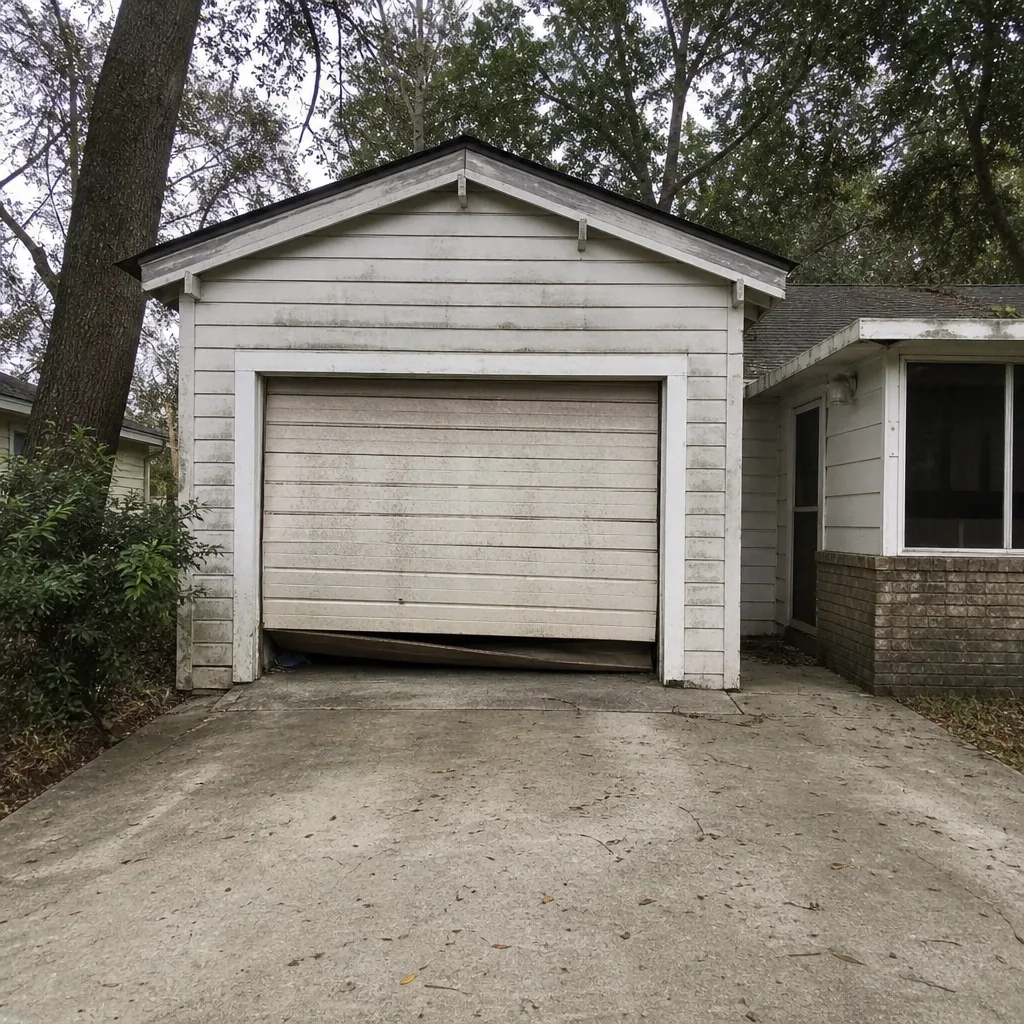
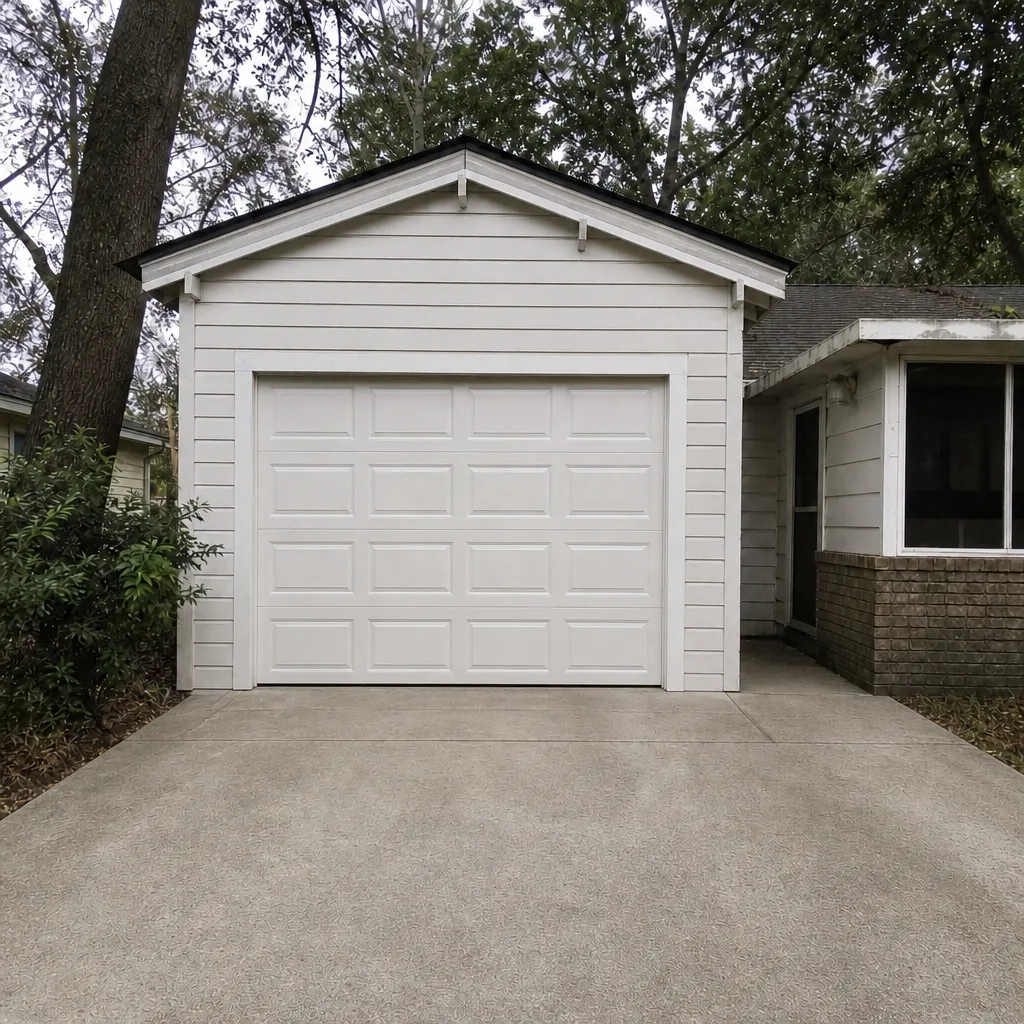
See the difference
 Before
 After
 Before
 After
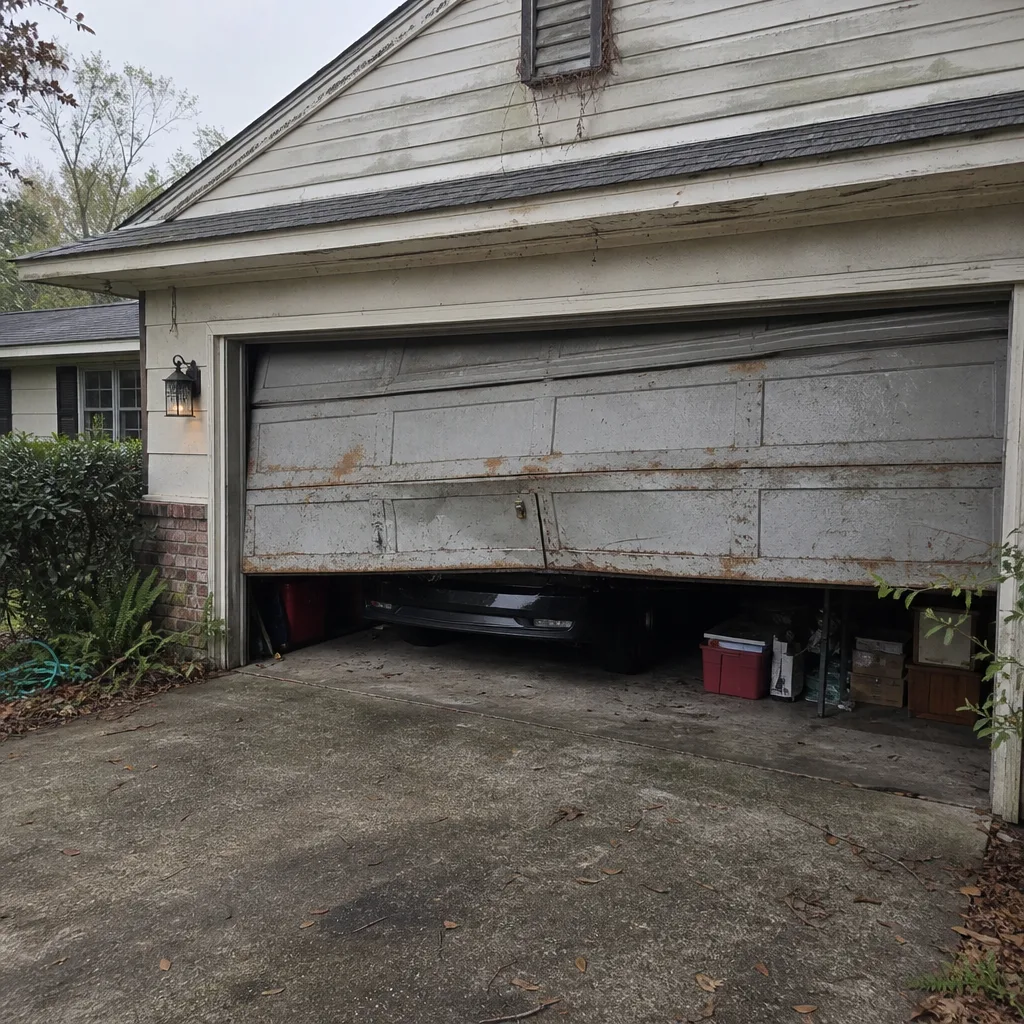 Before
 After
Common Mistakes to Avoid
- Following a generic four-season schedule. A guide built for a colder, drier climate will have you checking the wrong things at the wrong time. Tallahassee’s humidity and hurricane season need their own timeline.
- Lubricating a dirty track. Spraying lubricant into a track full of pollen and grit turns it into a paste that wears the rollers faster. Clean first.
- Ignoring surface rust on springs. A little rust is normal, but pitting or flaking means the metal is thinning. That’s a professional’s call, not something to keep using.
- Forcing a stuck door. If the opener strains or the door won’t move, stop. Forcing it can burn out the motor or bend the rail, turning a small repair into a bigger one.
- Skipping the emergency release check. In a storm or a power outage, a release that won’t work leaves you stuck. Test it before hurricane season, not during.
- Letting mold and pollen build on the sensors. Dirty lenses cause the door to reverse for no reason, which is confusing and unsafe. Wipe them in spring and check them whenever the door acts up.
- Never logging anything. Without a record, you can’t tell whether your door is slowly getting worse. A simple log catches problems while they’re still cheap to fix.
When to Call a Professional
Some garage door work is safe for a homeowner: wiping tracks, cleaning lenses, lubricating moving parts, and logging how the door behaves. The rest is a job for a technician. Call a professional if you notice a spring that’s rusted, pitted, or sagging; a cable that’s frayed or kinked; a door that’s hard to lift, slams down, or comes off its track; an opener that strains, clicks, or stops partway; sensors that keep tripping even after a cleaning; or any storm damage you’re unsure about. Springs and cables are under heavy tension and can cause serious injury, so don’t try to adjust them yourself. If your door won’t close and you need it fixed now, same-day service is available. Garage Door Repair Tallahassee Pros offers free estimates in Tallahassee. Call (855) 789-6528. We answer 24/7, with fast dispatch from 7am to 7pm, Sunday through Friday.
Frequently Asked Questions
You should inspect and reinforce your door by late May, before hurricane season ramps up in June. That means checking bracing, hinges, track alignment, and the emergency release cable, and testing the door’s balance. If anything looks loose or worn, get it fixed before the storms arrive.
In Tallahassee, the most common cause is pollen or mold clouding the photo-eye lenses near the floor. Wipe both lenses with a soft, slightly damp cloth and test the door. If it still reverses, the sensors or alignment may need a technician’s look.
Keep the garage ventilated on dry days, lubricate the springs and moving parts with a garage-door-specific lubricant, and check them regularly for surface rust. Light rust is normal, but pitting or flaking means the spring needs a professional inspection.
Sudden cold stresses the opener’s grease, seals, and electronics, and it pushes a motor that’s already near the end of its life over the edge. If your opener strains on a cold morning, stop using it and have it checked rather than forcing it.
The local professionals we connect you with are licensed and insured as their state requires, and our technicians have up to 14 years of experience across major brands like LiftMaster, Chamberlain, Genie, Clopay, Amarr, Wayne Dalton, Craftsman, and Raynor. Call (855) 789-6528 for an exact quote – estimates are free.
No. The price you’re quoted is the written estimate, and we agree on it with you before any work starts. If the job turns out to need something the estimate didn’t cover, we’ll tell you and get your agreement first.
The Bottom Line
Seasonal garage door care in Tallahassee comes down to timing your checks to the seasons you actually get. Clean pollen and mold in spring, reinforce and inspect before hurricane season, control rust and moisture through the humid summer, and watch the opener during winter cold snaps. Keep a simple log so you can see wear building up before it turns into a breakdown. Do the safe homeowner tasks yourself and leave the springs, cables, and opener internals to a technician who works on your brand. And when you’d rather hand the whole thing to a professional, we’re one call away at (855) 789-6528 for a free estimate.
Written by the team at Garage Door Repair Tallahassee Pros.