
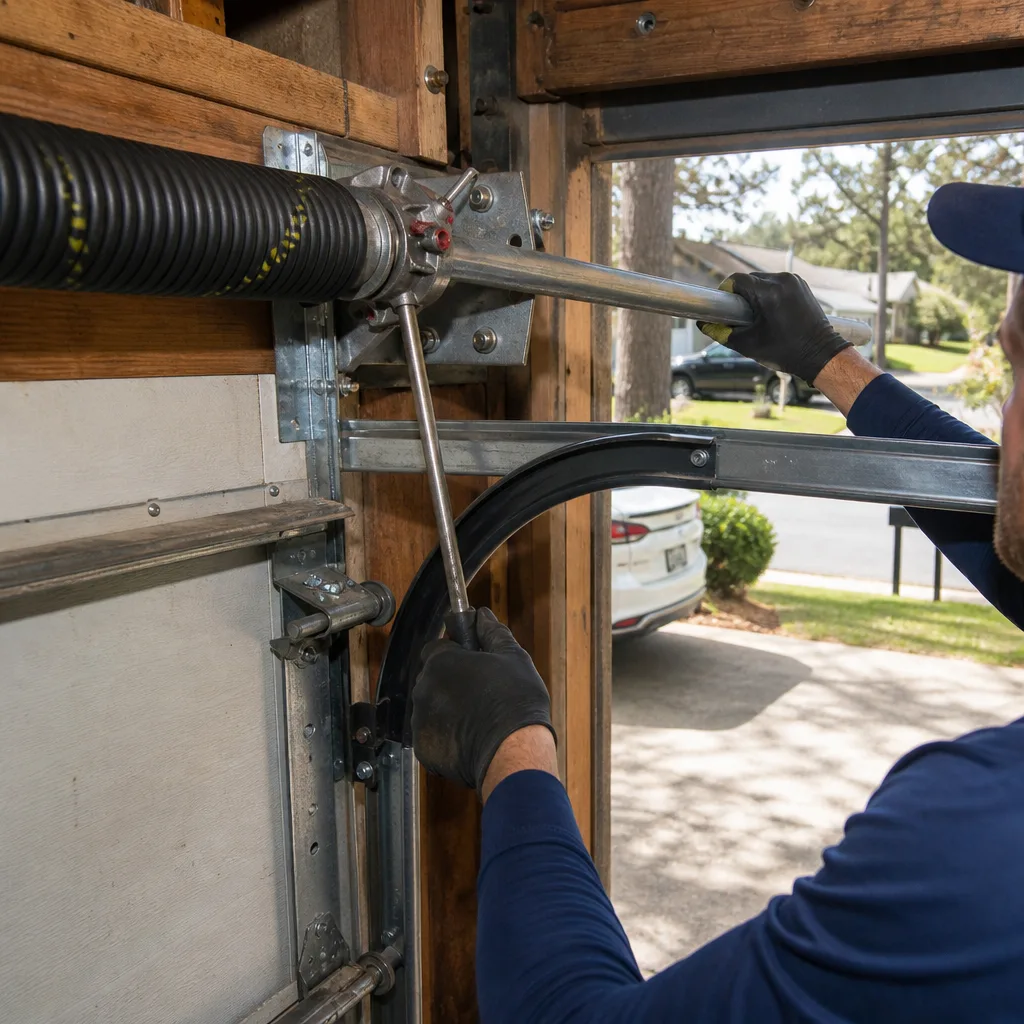
Last updated November 21, 2026
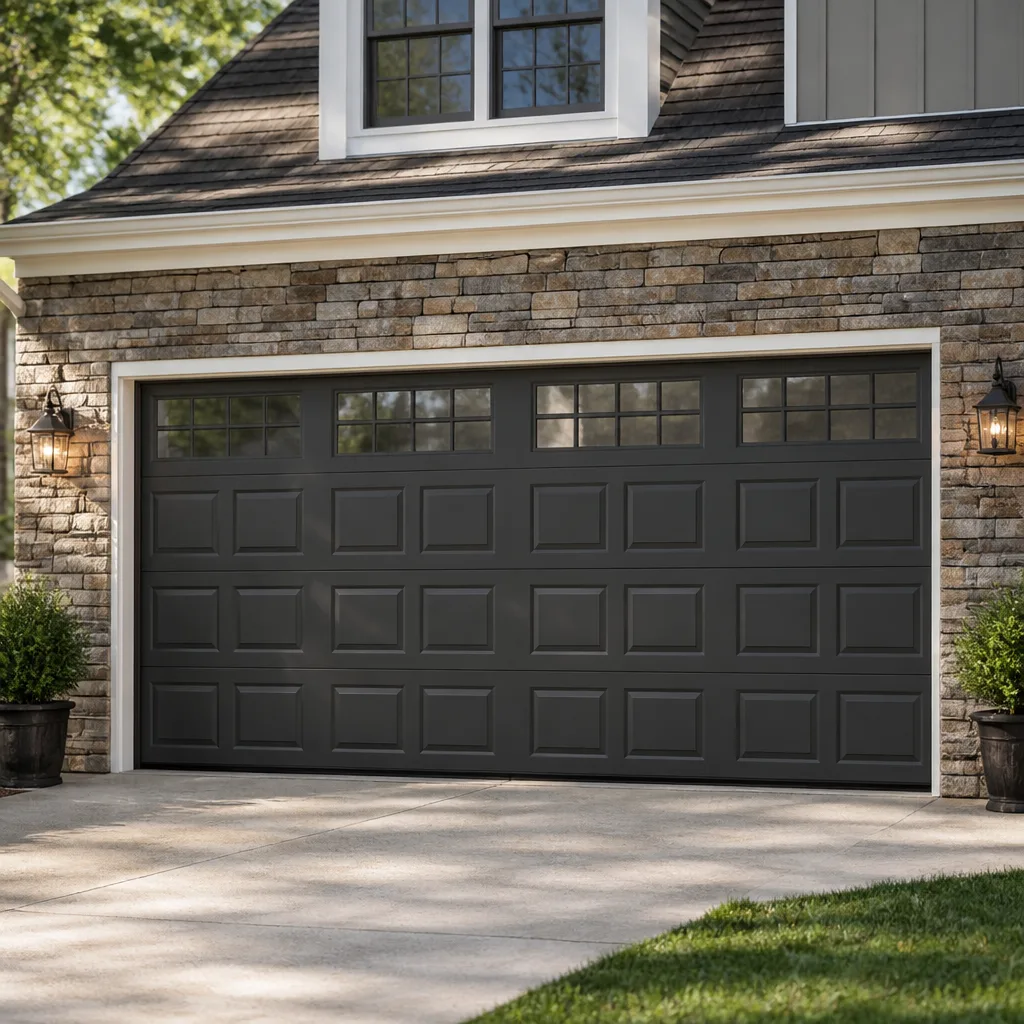 Raised-panel steel
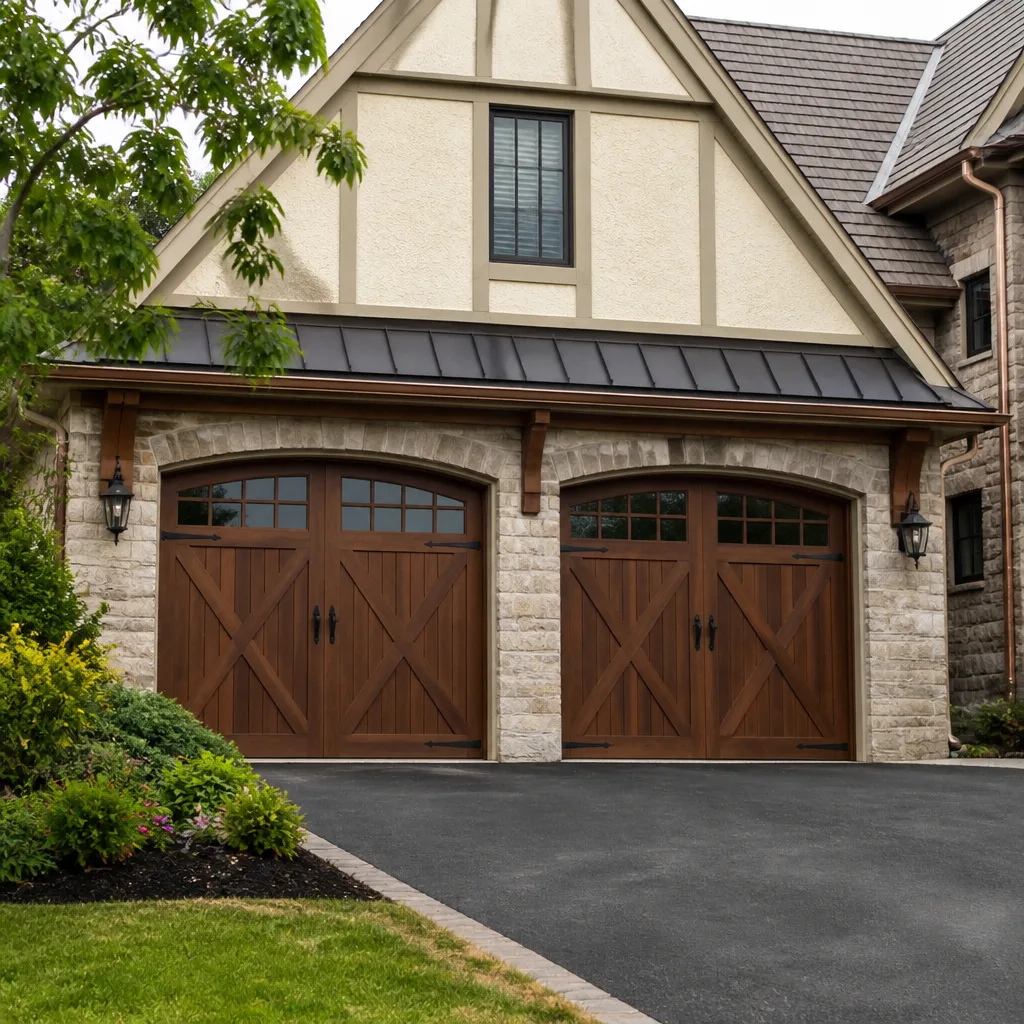 Carriage house
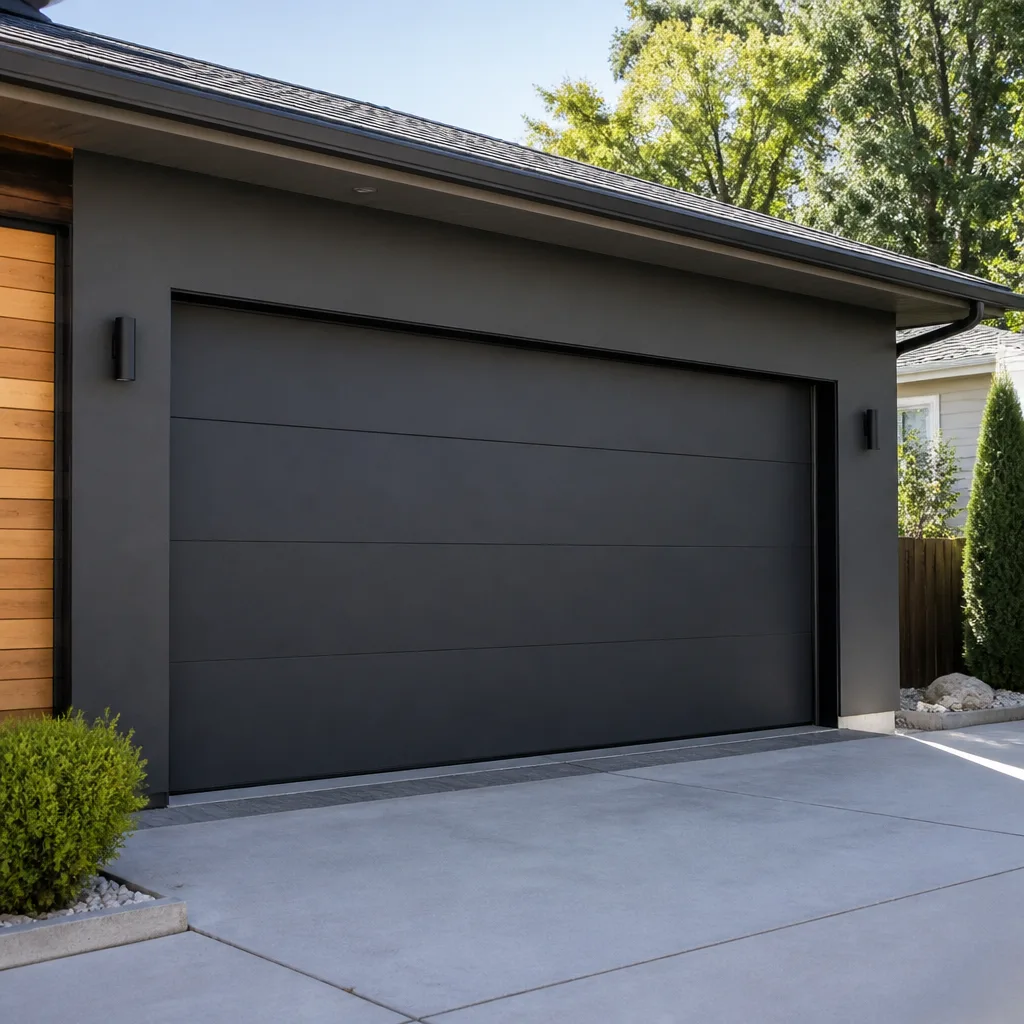 Modern flush
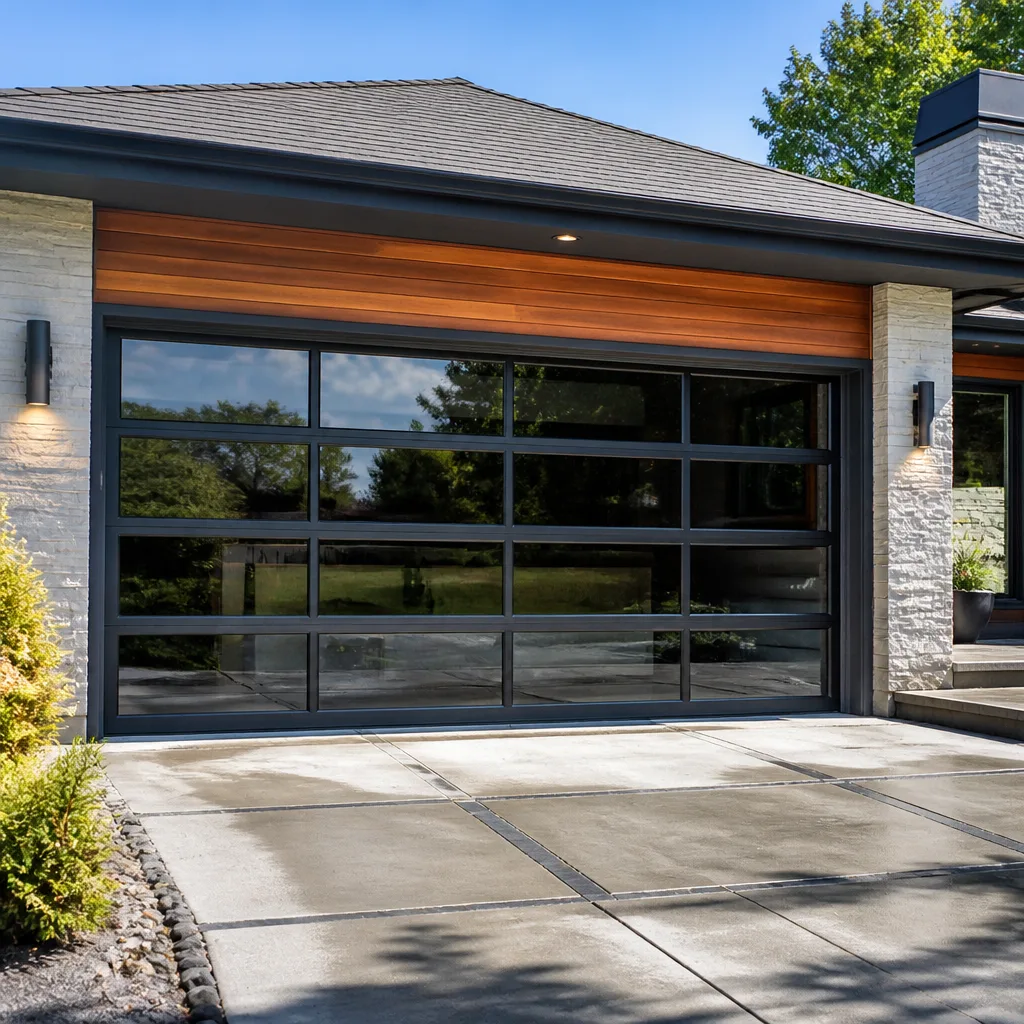 Full-view glass
 LiftMaster openers
 Chamberlain openers
Full 25-point door and opener safety check with every visit - springs, cables, rollers, tracks, and your LiftMaster or Chamberlain opener included
You get a price before we start. It does not change when the pro arrives.
Get your free estimateGarage Door Permits, Codes & Inspections in Tallahassee, FL: What You Need to Know
Here’s the part most Tallahassee homeowners never hear from a door company: replacing a full garage door usually requires a permit, while repairing one usually doesn’t. The line between the two is where closings get delayed and paperwork gets messy. A permit pulled and closed properly protects your sale, your insurance claim and your peace of mind. A permit skipped can follow the house for years. This guide walks through when Leon County expects a permit, what Florida wind-load rules ask of the installation, how inspections actually run, and how to check a Tallahassee property’s permit history before you buy or hire. We work on doors every week, and we’ve watched this trip up buyers, sellers and installers alike.
Quick Answer
In Tallahassee, replacing a complete garage door generally requires a permit through Leon County, while routine repairs like spring, cable, roller or opener work typically do not. The installation must meet Florida Building Code wind-load requirements, and an inspector will usually check the door’s anchoring, labeling and rating documentation at rough-in and final stages. When in doubt, call the Leon County Building Department and ask them directly for your address.
Styles & brands we work with
- Raised-panel steel
- Carriage house
- Modern flush
- Full-view glass
- LiftMaster openers
- Chamberlain openers
Table of Contents
- Repair vs. Replacement: What Triggers a Permit in Tallahassee?
- Florida Building Code & Wind-Load: What Inspectors Expect
- How to Look Up Permits on a Tallahassee Property
- What to Do When a Previous Owner Installed a Door Without a Permit
- The Inspection Sequence: What Gets Checked and When
- What a Failed Garage Door Inspection Actually Means
- Choosing an Installer Who Handles the Permit Correctly
- Common Mistakes to Avoid
Repair vs. Replacement: What Triggers a Permit in Tallahassee?
A permit is generally required when you replace the entire garage door, add a new door opening, or change the structural frame that holds the door. Repair work on existing hardware usually doesn’t require one. The distinction matters because homeowners often assume “it’s just a door” and skip the permit, only to discover the issue years later at resale.
In our experience around Tallahassee, the practical rule goes like this:
- Permit typically required: full door replacement, new door in a new opening, changing door size, replacing the surrounding header or jambs, installing a door on a new build or addition.
- Permit typically not required: replacing springs, cables, rollers, hinges, tracks, opener units, sensors or panels when the door stays in place and keeps its original size and rating.
- Gray area, ask the county: replacing a whole door and the tracks at once, or swapping a door in a home where the original installation was never permitted.
Leon County doesn’t publish one simple threshold on its website that covers every case, and we’ve seen different answers when weather-rated doors entered the picture. That’s why the safest move is always the same: call the Leon County Building Department with your exact address and describe what you want to do. It takes five minutes and settles the question.
Repairs rarely need a permit, and when a spring snaps or a cable frays, the right response is usually a fast appointment rather than a paperwork exercise. If you’re dealing with that kind of failure today, our garage door repair team handles those calls and can tell you in the same conversation whether what you need crosses into permitted replacement.
Florida Building Code & Wind-Load: What Inspectors Expect
Florida Building Code Section 1609 sets wind-load requirements for building components, and garage doors count as a component because they’re the largest opening in most homes. For a new or replacement door in Tallahassee, the installer has to prove the door you bought is rated for the wind pressures at your address. That proof is what inspectors look for.
The documents that usually show up at inspection time include:
- The door’s product approval or evaluation report, noting the design pressure (DP) rating.
- The installation instructions from the manufacturer, matching the exact model and hardware you bought.
- The anchor and fastener specification from the instructions, showing the correct number, size and spacing of fasteners into the framing.
- A label on the door or on the packaging that ties the door you installed back to the approval document.
This is why an installer’s supplier list matters. A door from Amarr or Wayne Dalton, for example, comes with a documented DP rating and printed installation instructions when bought as a proper replacement. When we connect Tallahassee homeowners with local pros, the door spec is confirmed before anyone orders a panel, not after the inspector shows up.
Two practical points we’ve learned the hard way:
- Match the door to the opening. A door rated for a 7-foot-high opening won’t pass in a 6-foot-8 opening without the right manufacturer documentation for that configuration.
- Don’t substitute fasteners. Inspectors look at the anchors. A technician using the wrong size lag bolt or missing a required fastener can fail the rough-in and cost you a re-inspection.
Wind-load compliance is a documentation job as much as a physical one. Keep copies of everything.
How to Look Up Permits on a Tallahassee Property
You can check a Tallahassee address for permit history through the Leon County Building Department and the City of Tallahassee’s permit records. Both publish search tools, and a records request is available if the online systems don’t cover a specific address. Do this before you buy and before you sign a contract.
The reason buyers check is that an open or expired permit on a garage door can stall a closing, because lenders and title companies want to see that permitted work was inspected and closed. Here’s how to work through a lookup:
- Find the property’s parcel. Use the Leon County Property Appraiser’s site to confirm the address and parcel ID. The permit system usually searches by parcel.
- Search both jurisdictions. A home inside the city limits may have records through the City of Tallahassee, and a home in unincorporated Leon County will typically be with the county. Search both to be safe.
- Read the status, not just the date. “Finaled” or “Closed” is what you want. “Issued,” “Inspection Pending,” “Expired” or “Permit Abandoned” are red flags.
- Request the inspection history. If the permit is closed, ask for the inspection results. It shows whether the door actually passed.
- Save the record. Download or photograph the closed permit page. If you sell later, that record saves you a scramble.
If a replacement door on the property has no permit record at all, that’s worth flagging before you move forward. It doesn’t mean the door is unsafe. It means the paperwork trail is missing, and someone has to decide whether to address it. That’s the subject of the next section.
Buyers should also note the age of the door and whether the opener looks newer than the door. A recent opener on an older door is a normal combination. A recent door with no permit is worth a phone call. If you’re looking at a property and want a trained eye on the door and opener before you commit, our crew is the one to call.
What to Do When a Previous Owner Installed a Door Without a Permit
If you discover a garage door on your Tallahassee home was installed without a permit, you can usually resolve it, but the process takes patience. The path is often called “papering after the fact,” “after-the-fact permitting” or a “permit renewal,” and the exact process depends on the county’s rules at the time you apply.
The typical steps look like this:
- Call the Leon County Building Department. Explain that you’ve discovered an unpermitted door installation and ask what documentation they’ll accept. Some cases can be permitted retroactively; others need a walk-through first.
- Gather proof of what’s installed. Photos of the door, the manufacturer label, the model number and any paperwork from the original installer (if you have it). If you don’t have the label info, a trained technician can usually identify the model.
- Check the door’s wind rating. The inspector will want to see that the installed door has a wind-load rating appropriate to your address. If the door can’t be documented, that’s the part that may force a replacement.
- Apply and schedule an inspection. If the door passes, you get a closed permit. If it doesn’t, the inspector will tell you what has to change.
- Disclose it in a sale. If you’re selling before you resolve it, disclose the unpermitted installation up front. Buyers are far more forgiving of a disclosed problem than a surprise.
Homes in older Tallahassee neighborhoods, especially around Betton Hills, Lafayette Park and Indianhead, sometimes have door installations that predate modern wind-load documentation. That doesn’t automatically create a problem, but if you’re asked about permits during a sale, the county’s records are the answer, and they’re easy to check.
If the paperwork trail is missing and you’d rather not chase it down yourself, a specialist can inspect the door, confirm the model and tell you what documentation can be recovered. Our garage door installation service can quote a clean replacement if the door’s rating can’t be verified.
The Inspection Sequence: What Gets Checked and When
Garage door permit inspections usually happen in order: an optional rough-in (frame, header and anchor prep before panels go up), then a final inspection after the door is fully installed and operating. The final is the one that closes the permit. The good news is that a properly installed door usually passes the first time.
Here’s the sequence, in plain terms:
Rough-in (if required)
- Verify the opening size matches the permit and the door spec.
- Confirm the header, jambs and framing are sound and match the door’s installation requirements.
- Check that anchors and fastener layout match the manufacturer’s instructions.
- Look for the door’s shipped label, approval or evaluation document.
Final inspection
- Door operates smoothly by hand and with the opener, with correct balance.
- Springs are correctly tensioned, with the right number and type for the door’s weight.
- Cables are seated in drums and routed correctly, with no fraying visible.
- Safety sensors: photo-eye alignment and the auto-reverse test on contact and on obstruction.
- Anchor bolts: correct size, correct spacing, seated into framing.
- Labeling and product approval documentation on file.
Expect the inspector to test the door in person. If a technician on site was careful with the install, everything on that list happens. If they cut corners on anchors or skipped the safety sensor test, that’s where the inspection stops.
In our experience, most inspection failures on garage door installations in Tallahassee trace back to one of two things: mismatched anchor fasteners or a door whose wind rating can’t be documented for the address. Both are preventable before the door arrives, and both are worth asking an installer about in writing.
What a Failed Garage Door Inspection Actually Means
A failed garage door inspection in Tallahassee means the permit doesn’t close, and work has to be corrected before the county will sign off. That’s the headline. The practical consequences are what most homeowners want to know: the door isn’t in danger of falling off, but the paperwork chain stays open until you fix the issue and re-inspect.
What usually happens after a fail:
- An inspector issues a correction notice describing what didn’t pass, in writing.
- The installer corrects the issue and calls for a re-inspection.
- A re-inspection confirms the correction and the permit closes.
If the installer you used is unresponsive, you’re allowed to hire someone else to make the corrections. That’s a common scenario we help Tallahassee homeowners resolve. The corrections themselves usually fall into a short list:
- Replacing undersized anchors with the correct size and spacing.
- Fixing safety sensor alignment or wiring.
- Providing the missing product approval or wind-load documentation.
- Replacing an unrated door with a rated one for the address.
None of these are catastrophic, but each one costs time and money, and only the permit holder or the current owner can typically request the re-inspection. That’s why the cheapest door isn’t always the cheapest job. A properly permitted install avoids every one of these steps.
Our team doesn’t pull permits for you, but we connect you with local pros who do, and they know the Leon County process. If a failed inspection is hanging over a sale or a refinance, call our line and we’ll point you to the right next step.
Choosing an Installer Who Handles the Permit Correctly
The single best way to avoid a permit headache is to hire an installer who treats the permit as part of the job, not an extra. In our experience working with Tallahassee homeowners, that’s the difference between a clean file and months of chasing paperwork after the fact.
Here’s the checklist we’d want any homeowner to run before signing a garage door installation contract:
- Ask who pulls the permit. The answer should be the installer, in writing, on the contract.
- Ask which door model they’re proposing and confirm its wind-load rating. They should be able to show you the product approval or evaluation report.
- Ask who’s on the phone at inspection time. The installer should attend. You shouldn’t be handling inspector questions alone.
- Confirm the anchor and fastener spec in the quote. Don’t accept a generic “we use good anchors.”
- Ask what happens if the inspection fails. A responsible installer either fixes it at their cost or splits responsiblity clearly on paper.
- Get the warranty in writing and check that it’s the manufacturer’s warranty plus the installer’s labor warranty.
We work across eight major brands, including Amarr, Wayne Dalton, Clopay, Raynor, LiftMaster, Chamberlain, Genie and Craftsman, so the door spec conversation isn’t limited to one product line. That flexibility matters when a homeowner is weighing cost against a documented wind rating. A door rated for the address has to win, regardless of brand preference.
If you’re earlier in the process and just sizing up a replacement, our garage door opener repair team is also a resource for questions about pairing a new opener with a new door and what the inspection expects of that pairing.
Common Mistakes to Avoid
- Assuming a full door replacement is exempt because it’s “just a door.” In Leon County, the size and scope of the job are what trigger the permit, not the label on the box. If the whole door comes out and a new one goes in, expect to need a permit.
- Skipping the permit lookup before you buy. Title and lender issues can surface late, sometimes days before a closing. A five-minute check on the Leon County or City of Tallahassee permit portals saves a lot of stress.
- Buying a door online and expecting the installer to handle the paperwork. The installer can pull the permit, but they still need the door’s product approval and installation instructions. Doors bought without documentation are a red flag for the inspector.
- Substituting anchors or hardware because the originals “worked fine.” Inspectors look for the manufacturer’s specified anchors. A short lag bolt or missing anchor is the most common reason a garage door inspection fails in Tallahassee.
- Ignoring the label on the door. The label ties your door to its approval document. If the installer removes it, or the door arrives without one, flag it before the inspection date.
- Letting a permit expire during a long renovation. Permits don’t last forever. If a project stalls, ask the county for extension rules so the permit doesn’t lapse mid-job.
- Assuming the wind-load rating on the door’s spec sheet applies to every opening. Wind rating is specific to door size and configuration. A rating on the sample door doesn’t automatically cover your installation.
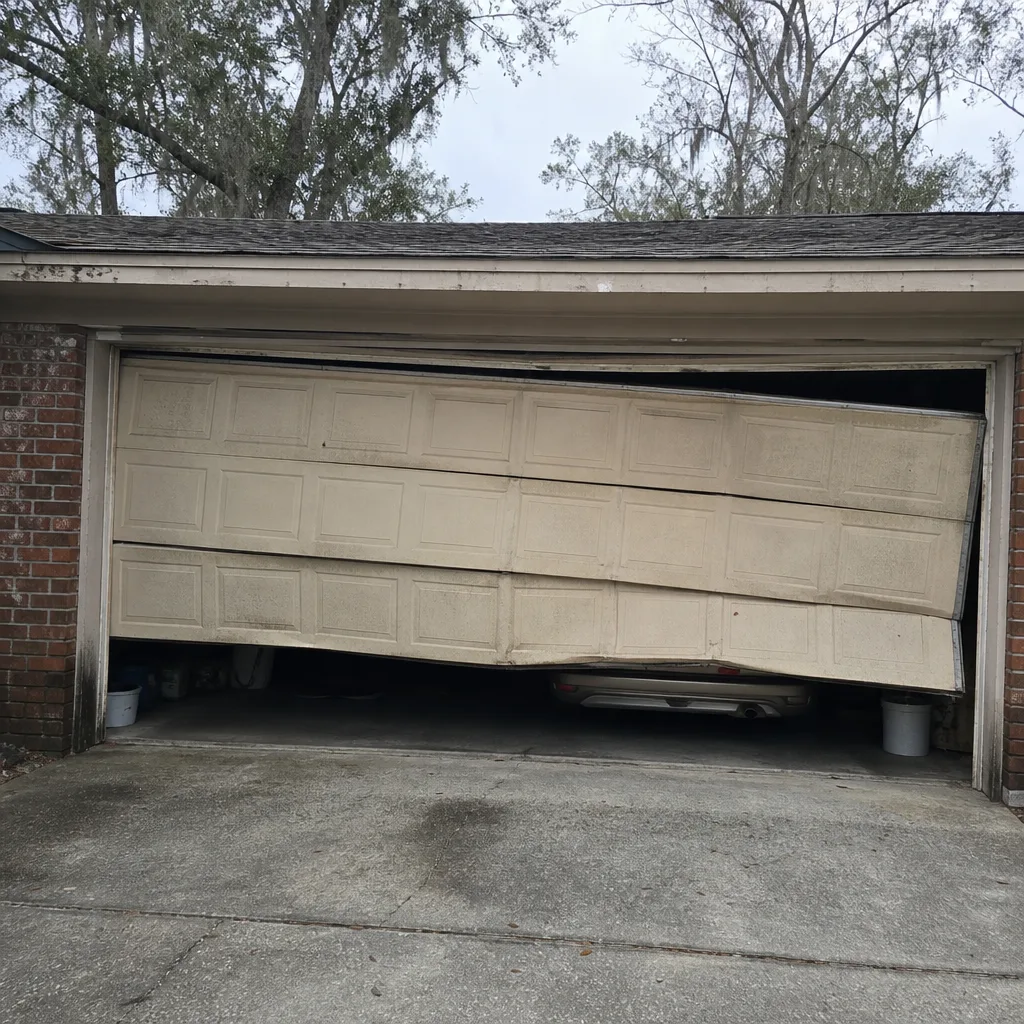
See the difference
 Before
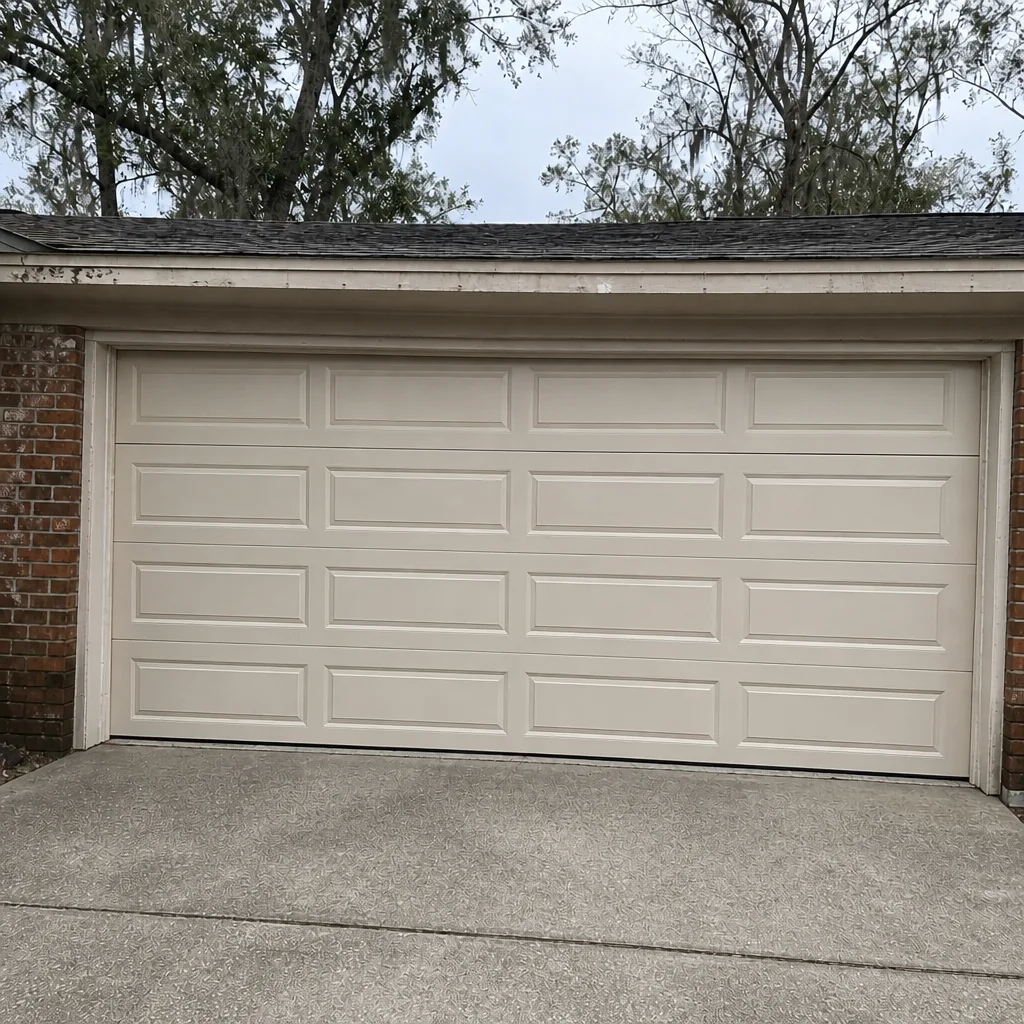 After
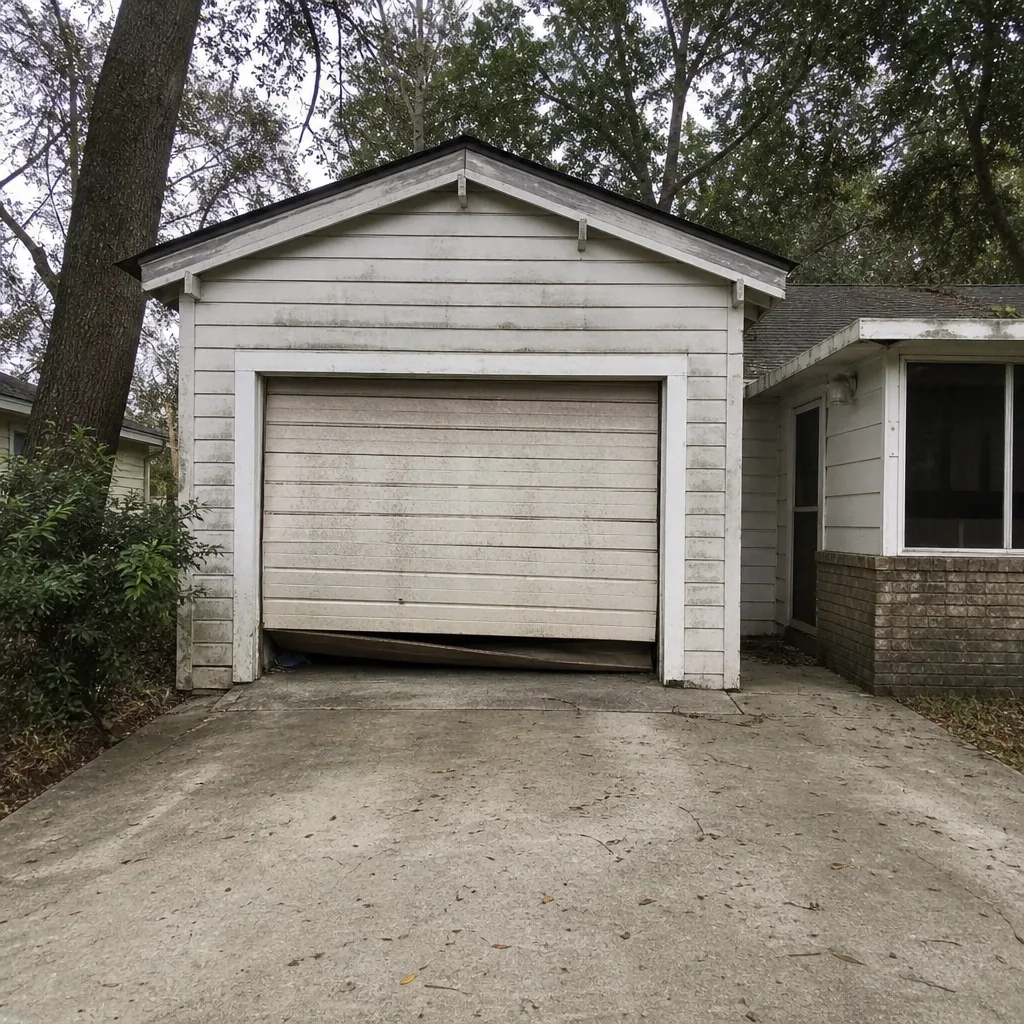 Before
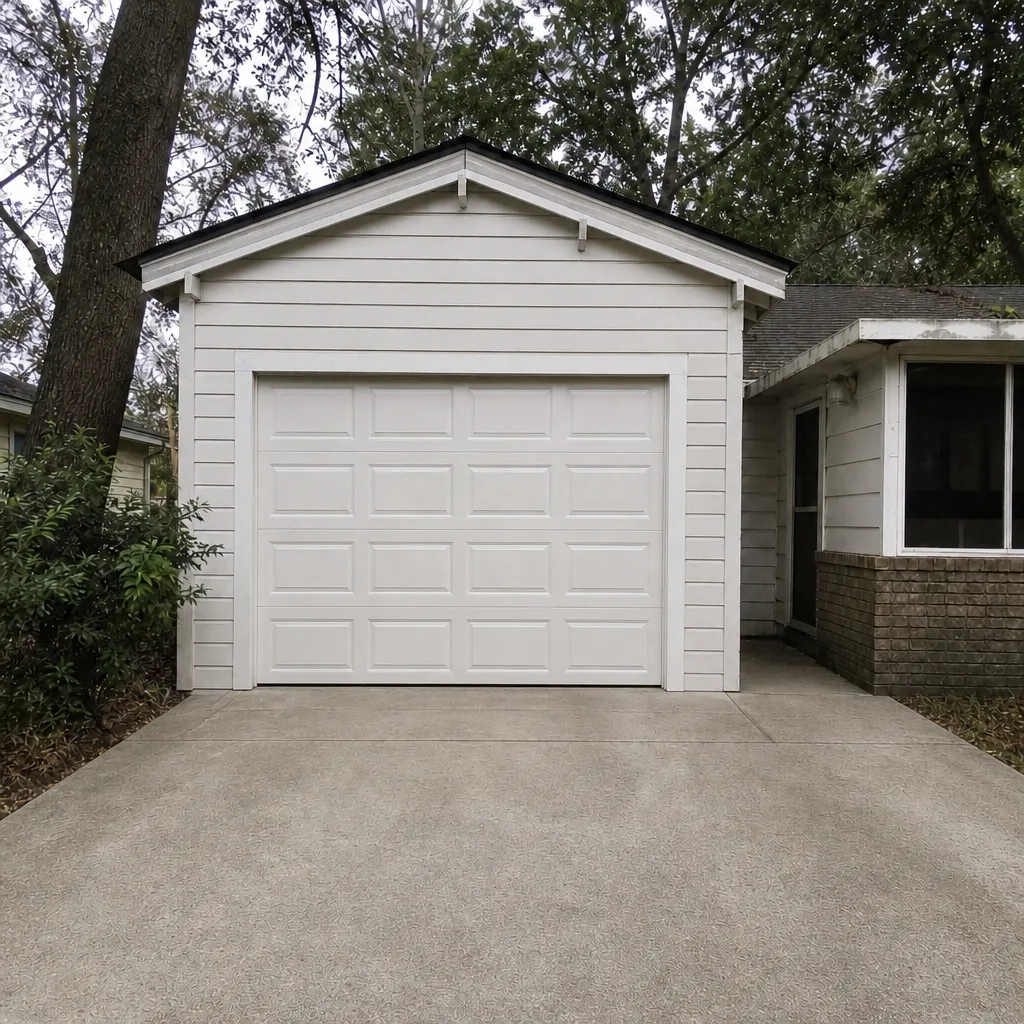 After
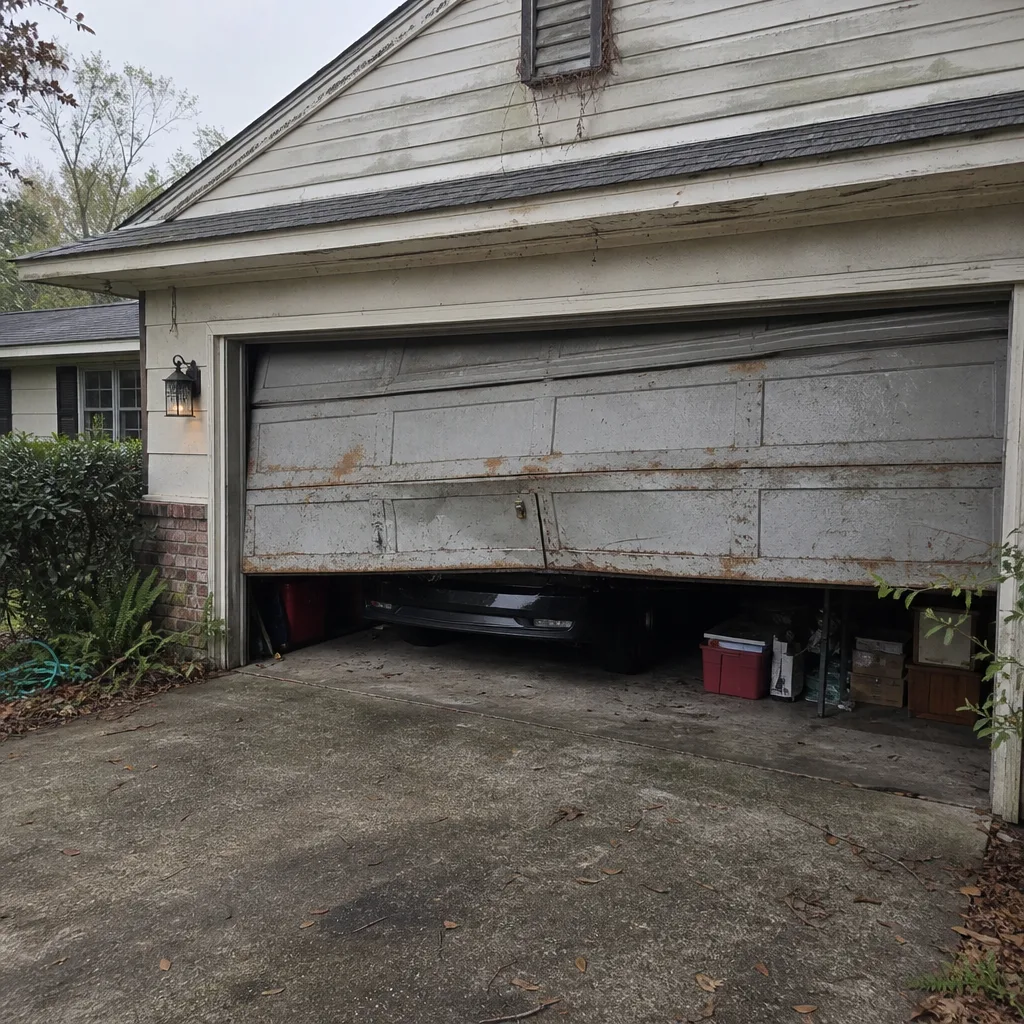 Before
 After
When to Call a Professional
Not every garage door problem needs a permit conversation, but some clearly do, and some clearly need a trained technician on site. Call a professional when: you’re replacing the whole door, you’re adding a new opening, an inspection has failed and needs a fix and re-inspection, or the door’s wind rating can’t be documented for your address. Call a professional on the same day when a spring breaks, a cable frays, the door comes off the track, or the opener stops responding. Springs and cables operate under high tension, and a spring or cable failure can cause serious injury; those are jobs for a trained technician, not a homeowner with a wrench. Garage Door Repair Tallahassee Pros offers free estimates in Tallahassee, and estimates set the price before any work starts. Call (855) 789-6528. We answer 24/7. Fast dispatch from 7am to 7pm.
Frequently Asked Questions
Yes, a full garage door replacement generally requires a permit through Leon County, while repairs to springs, cables, rollers, openers or panels usually don’t. The exact answer for your address depends on the scope of work, so call the Leon County Building Department to confirm. Call (855) 789-6528 for an exact quote on the installation side; estimates are free.
Leaks at a garage door almost always come from failed weatherstripping or bottom seals, and repairs are quoted per job by the written estimate. That’s usually a low-cost repair compared to replacing the door itself. Call (855) 789-6528 for a free assessment; the price is quoted and agreed before work starts.
Same-day service is available for stuck doors and stopped openers in Tallahassee, and the phones are answered around the clock. We answer 24/7, with fast dispatch from 7am to 7pm, Sunday through Friday. Call (855) 789-6528 and we’ll book you into the next available opening.
No. The written estimate sets the price, and it’s quoted and agreed before any work starts. If the technician finds something that changes the job, they stop and re-quote before continuing. Call (855) 789-6528 for a free estimate that lays out the scope up front.
The local professionals we connect you with are state-licensed and insured as their state requires. Our technicians have up to 14 years of experience working on LiftMaster, Chamberlain, Genie, Clopay, Amarr, Wayne Dalton, Craftsman and Raynor systems. Call (855) 789-6528 with questions about credentials.
You can usually resolve it through the Leon County Building Department, which may allow after-the-fact permitting if the door can be documented to the correct wind-load rating. Start by calling the county with your address and describing the situation. Call (855) 789-6528 if a trained eye on the door would help before you make that call.
The Bottom Line
Permits matter more than most Tallahassee homeowners realize, but the process isn’t complicated once you know it. A full door replacement usually needs a permit through Leon County, and repairs to springs, cables, openers and panels usually don’t. Wind-load compliance under Florida Building Code Section 1609 has to be documented with product approvals, the right anchors and the right fasteners. Check the permit history on any property before you buy, and don’t ignore a missing permit on your own home. A properly permitted install, a closed inspection and a saved record are the cheapest insurance against a stalled closing or a paperwork chase. If you want the door done right, call (855) 789-6528 for a free estimate. We answer 24/7. Fast dispatch from 7am to 7pm, Sunday through Friday, and closed Saturday.
Written by the team at Garage Door Repair Tallahassee Pros.